The Timeline
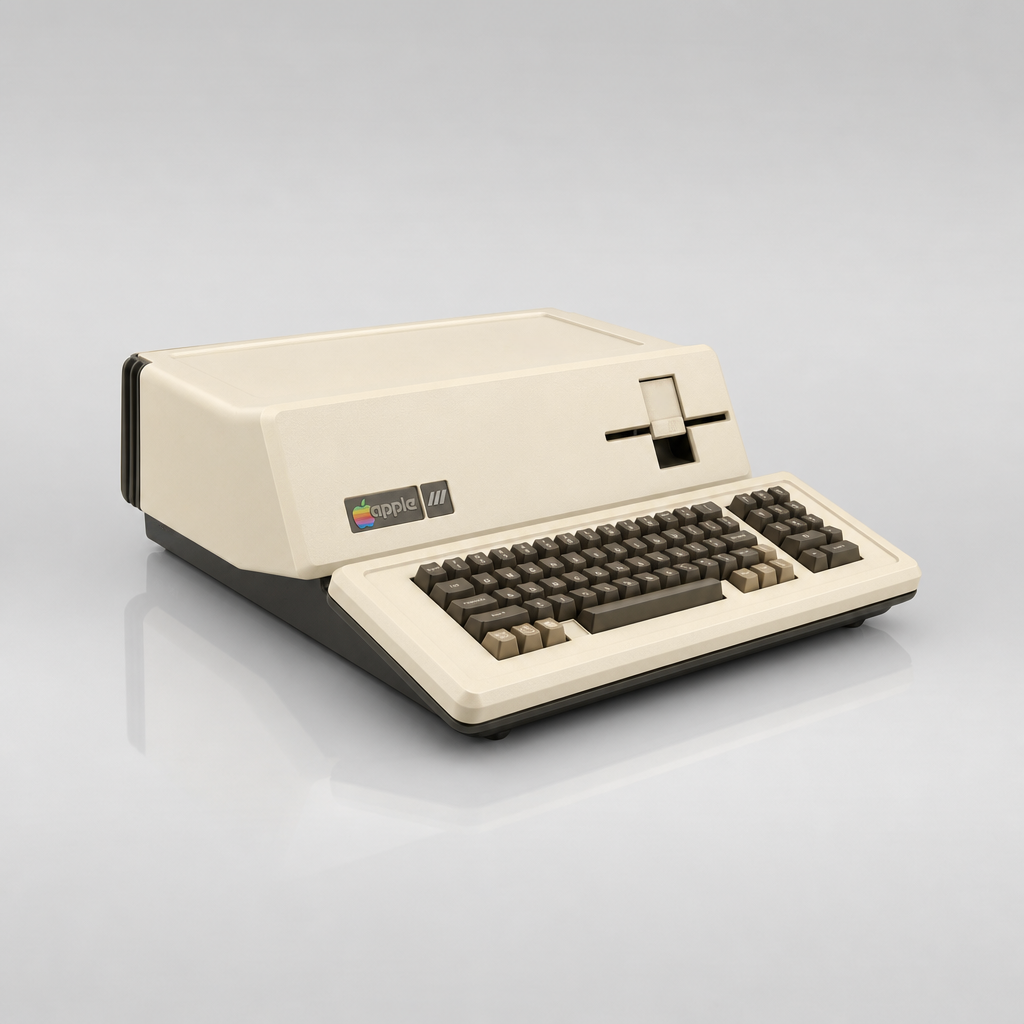
Apple III
Apple's first attempt at a serious business machine, and one of the most expensive product failures in the company's history. Jobs overruled the engineers — insisting on a fanless design and a case too small for the components — and the result was a machine whose chips literally expanded from heat and popped out of their sockets. Over 14,000 were recalled at launch. The Apple III spent four years trying to recover its reputation and never did, but the lessons it taught Apple shaped everything that came after.
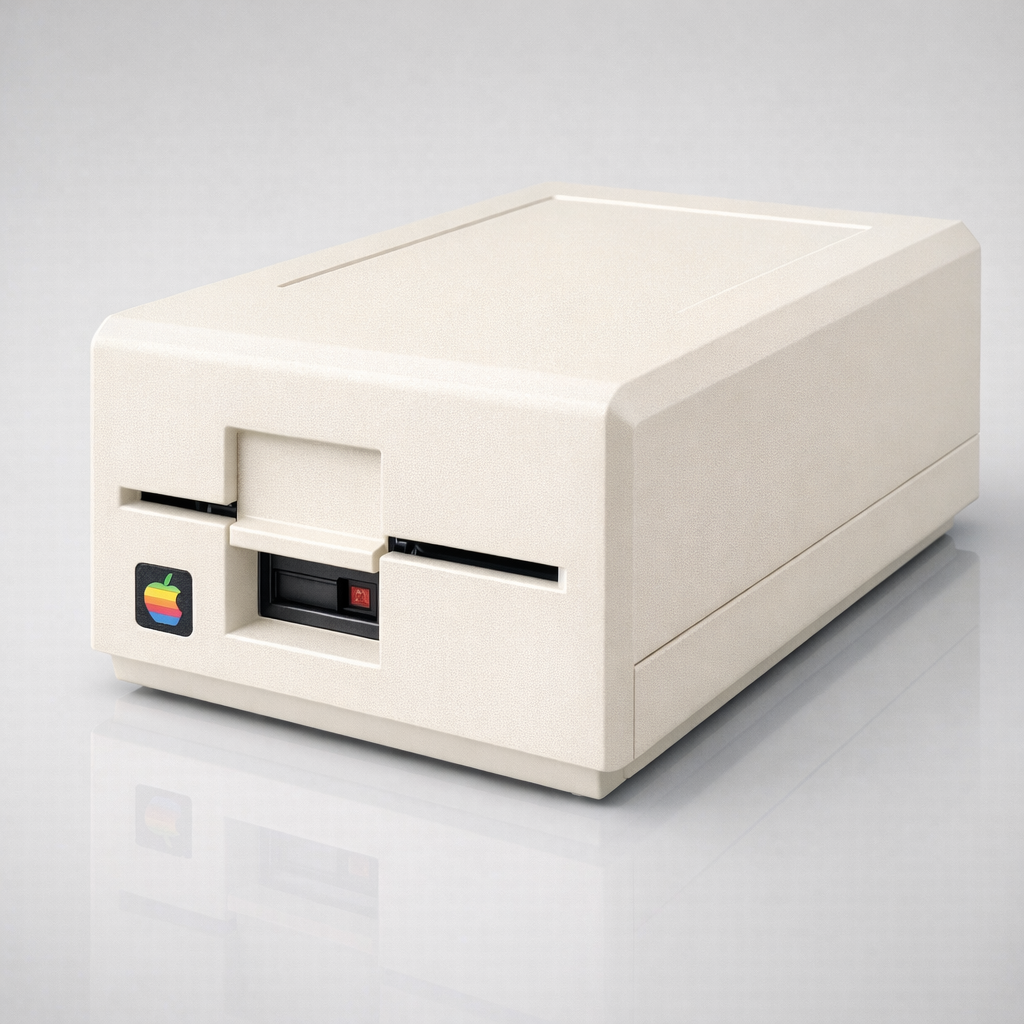
Disk III
The Apple Disk III drive was a key part of the Apple III’s attempt to move Apple further into the business market, providing a more advanced floppy-disk system for a machine that was meant to feel more capable and professional than the Apple II. Today it is interesting less as a breakthrough peripheral on its own than as a reminder of Apple’s early efforts to build a complete business-computing platform before the Macintosh reshaped the company’s identity.
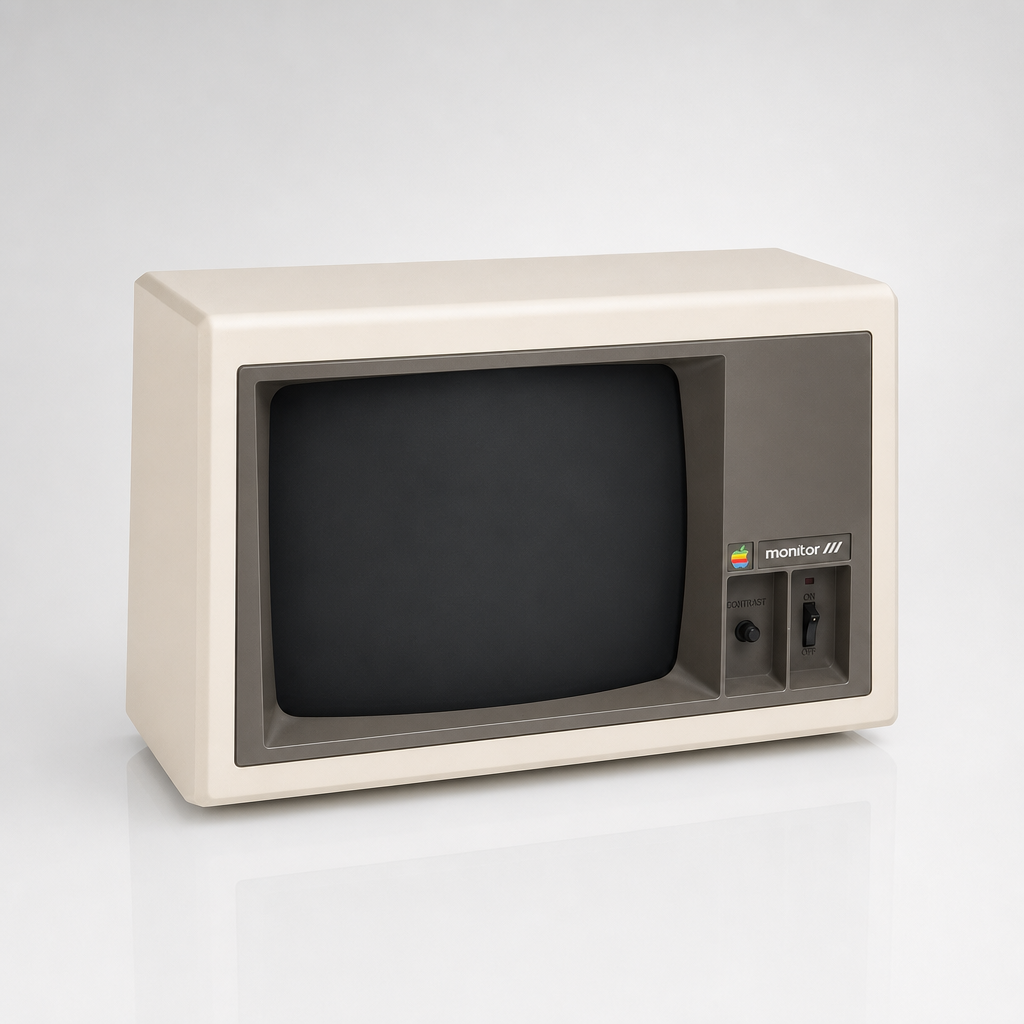
Apple Monitor III
The Apple Monitor III belongs to Apple’s early push into business computing around the Apple III, when the company was trying to offer a more complete and polished desktop setup rather than just a standalone computer. Its monochrome, business-oriented design makes it a nice reminder of the period before Apple became strongly identified with color graphics and the Macintosh visual experience, and it also had enough compatibility to be used with Apple II systems as well.
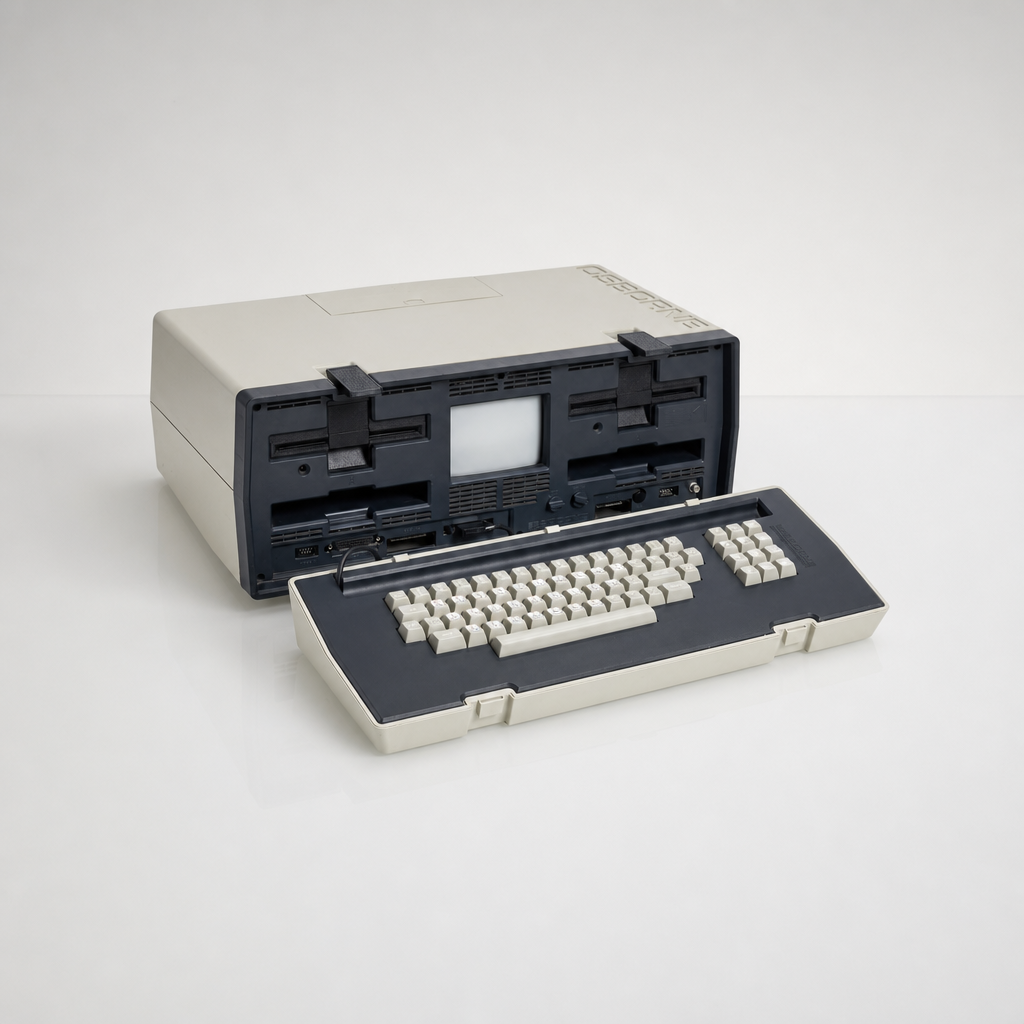
Osorne 1
The Osborne One helped define the early “portable computer” idea by packaging a full CP/M business system into a luggable, suitcase-like design in 1981. It is especially important in computing history because it is widely regarded as the first commercially successful portable computer, and because its bundled-software strategy and the later “Osborne effect” made it influential far beyond the machine itself.
Apple ProFile Drive
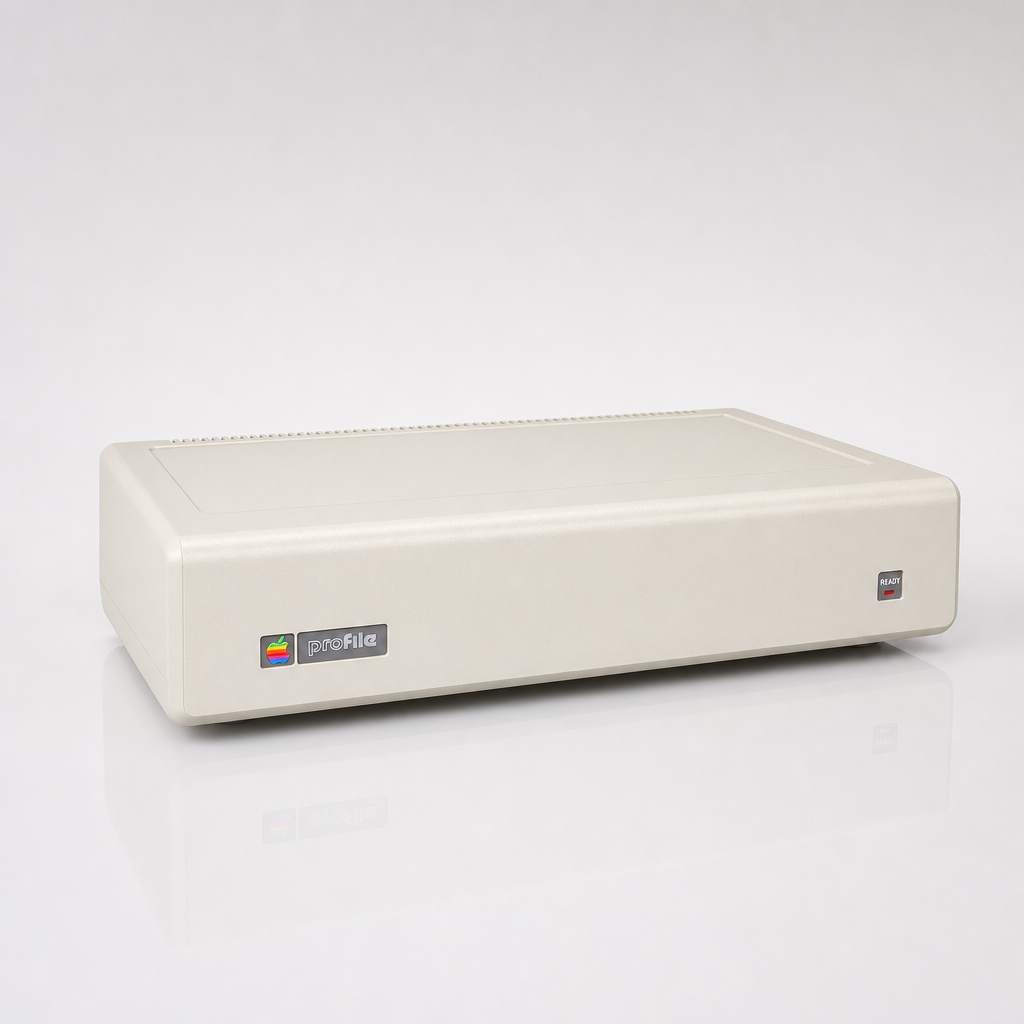
The Apple ProFile, introduced in 1981 for the Apple III and later used with Lisa systems, was historically significant as Apple’s first hard disk drive, marking an early move beyond floppy-based storage for business users. It reflected Apple’s ambition to serve more serious professional computing needs, even though the product belonged to an era before the Macintosh defined the company’s mainstream identity.
Apple Lisa 2/10
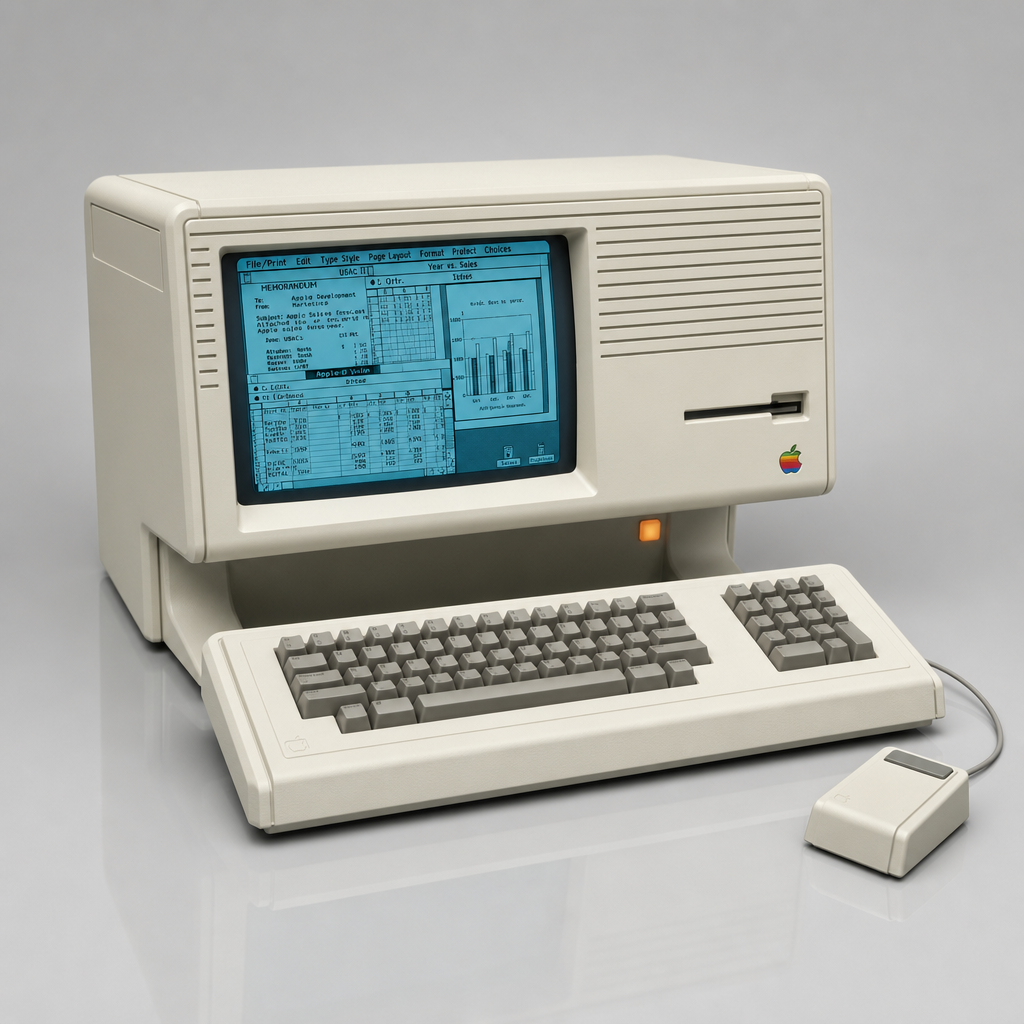
The first commercial personal computer with a true graphical user interface, sold for $9,995 in 1983 — roughly $31,000 in today's money. Named, despite years of official denial, for Steve Jobs's daughter. Apple sold fewer than 10,000 before quietly writing off 2,700 units in a Utah landfill in 1989. Commercially, the Lisa was a catastrophe. Historically, it was the proof of concept that made the Macintosh possible.
Apple IIc
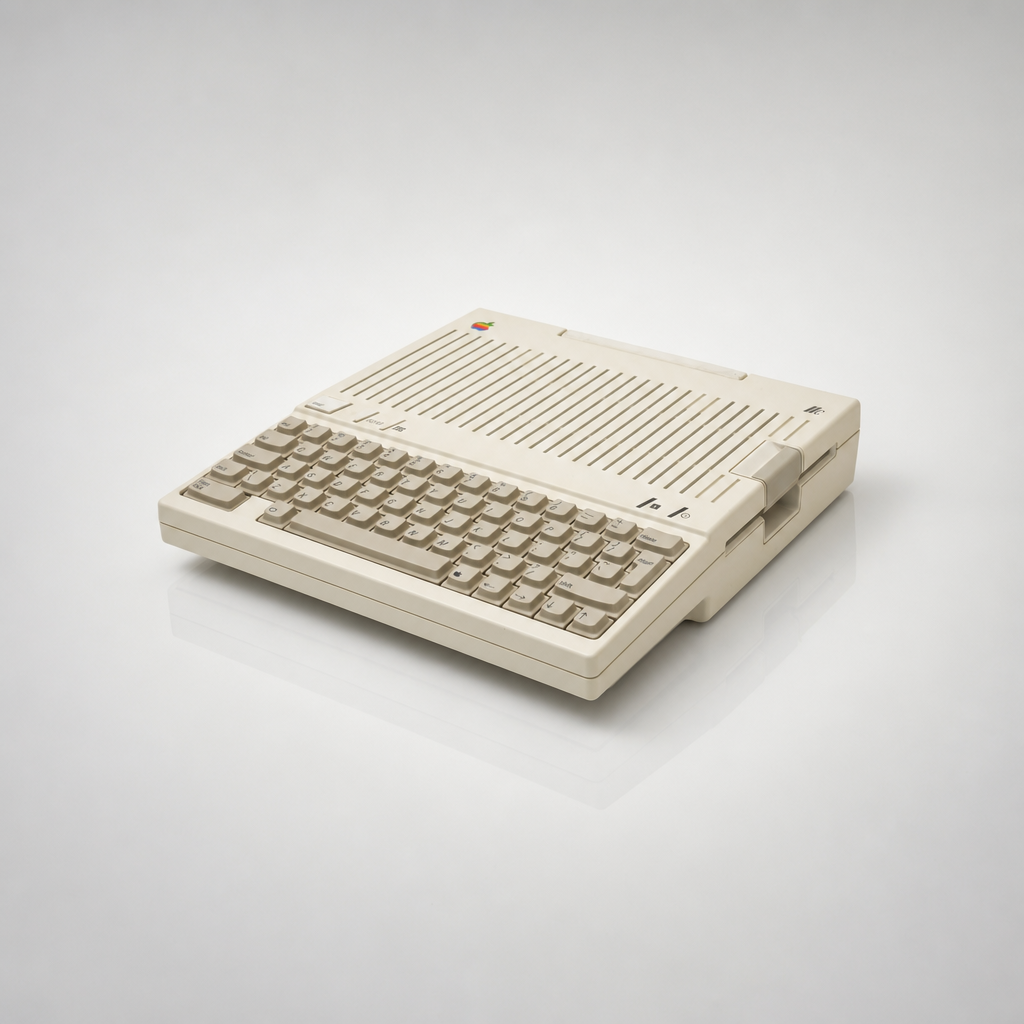
The first truly portable Apple II — a self-contained unit at 7.5 pounds with a built-in 5.25" drive and a handle for carrying. The IIc was Apple's first attempt to present the Apple II as a finished product rather than a kit, and it was the best-selling Apple II of its era. It arrived the same year as the Macintosh, and represented the old guard's last moment in the spotlight.
Mac 128k
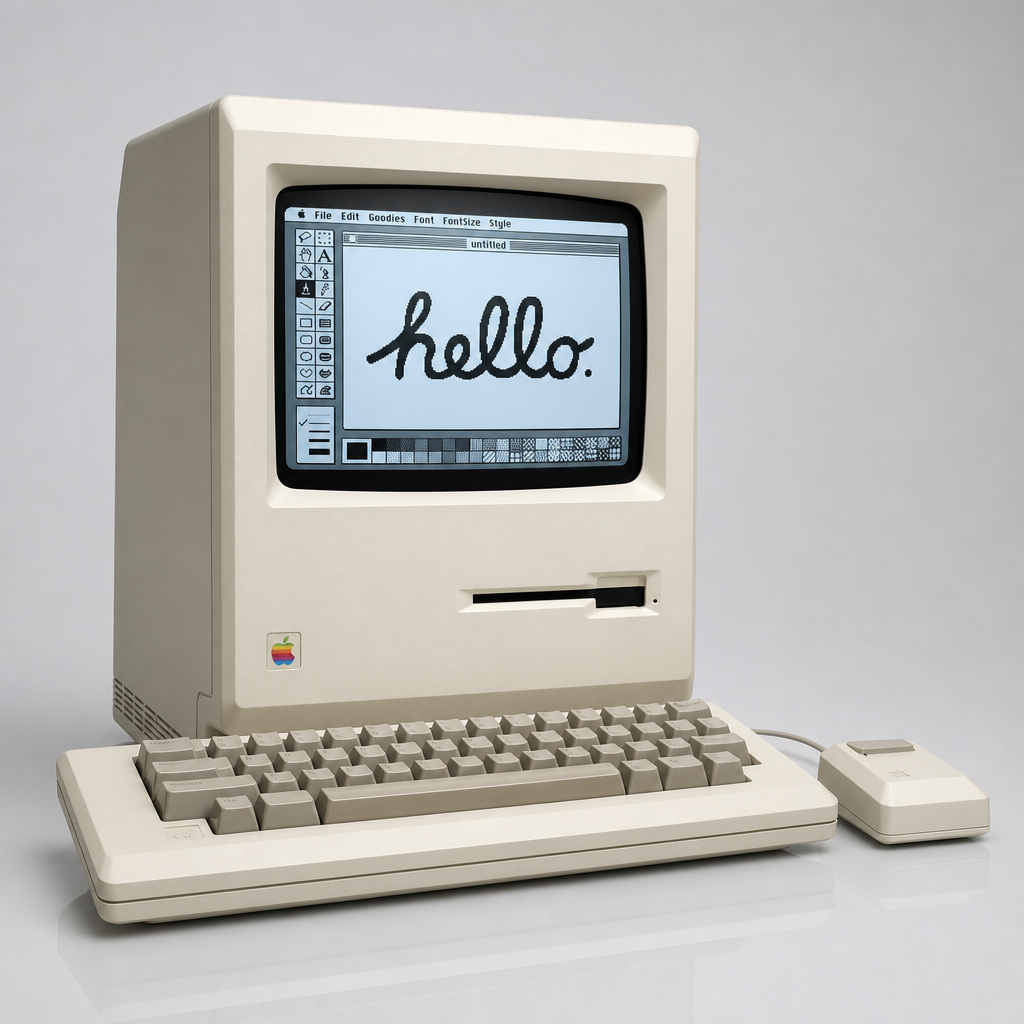
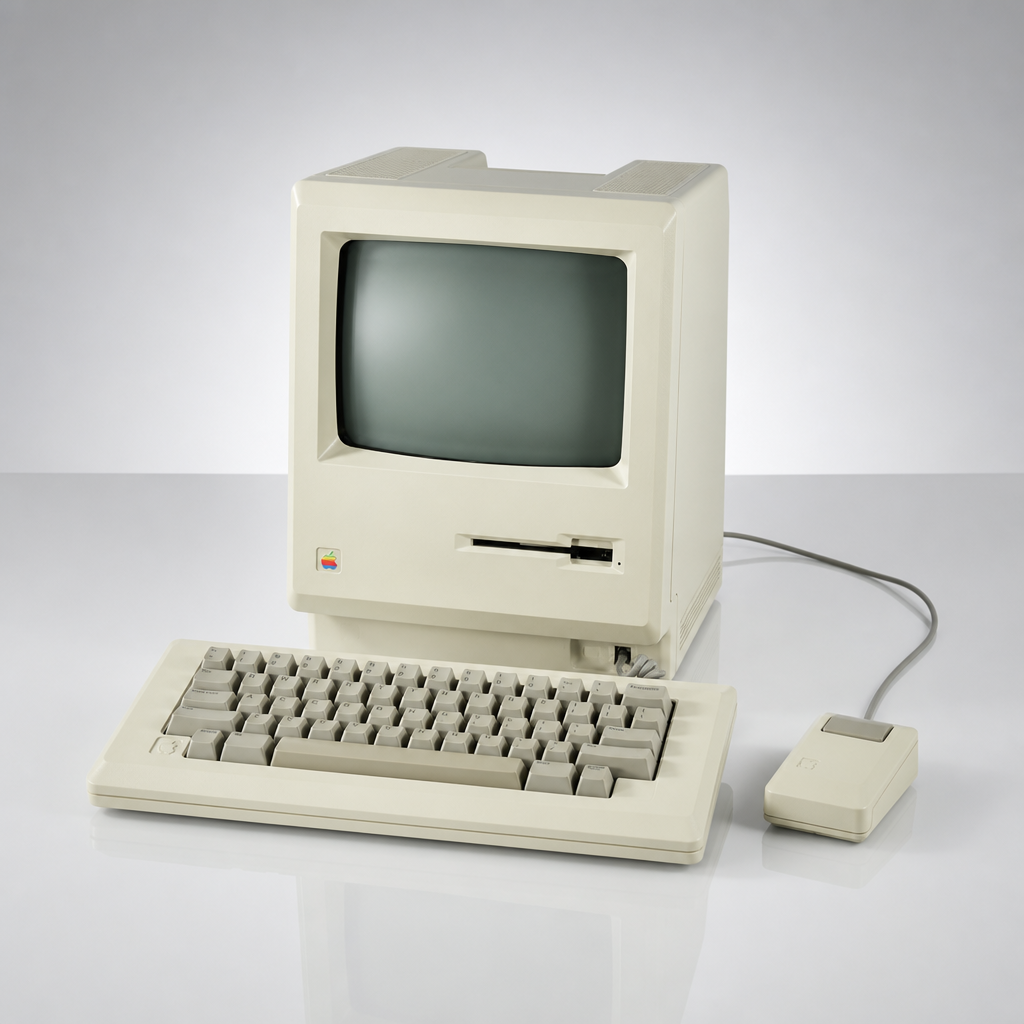
Purchase from guy in Elizabeth neighborhood in Charlotte. Wasn't sure if it was a 512k upgrade or 128, but the Serial Number showed it as a 128k, so I was hoping it was. The logic board is indeed a 128k, but it has some mods done (all memory chips have been socketed and a new socket and chip was piggybacked onto another with some resistors. Basically making it a 128k with 512k memory (aka FatMac). Analog board was having issues, so I took it from my Mac Plus that was an upgraded 512k. Floppy drive works.
Mac 512k
Analog board recapped except C1 and C13 Has original keyboard and mouse, as well as dust covers for the computer and the keyboard.
Apple IIgs
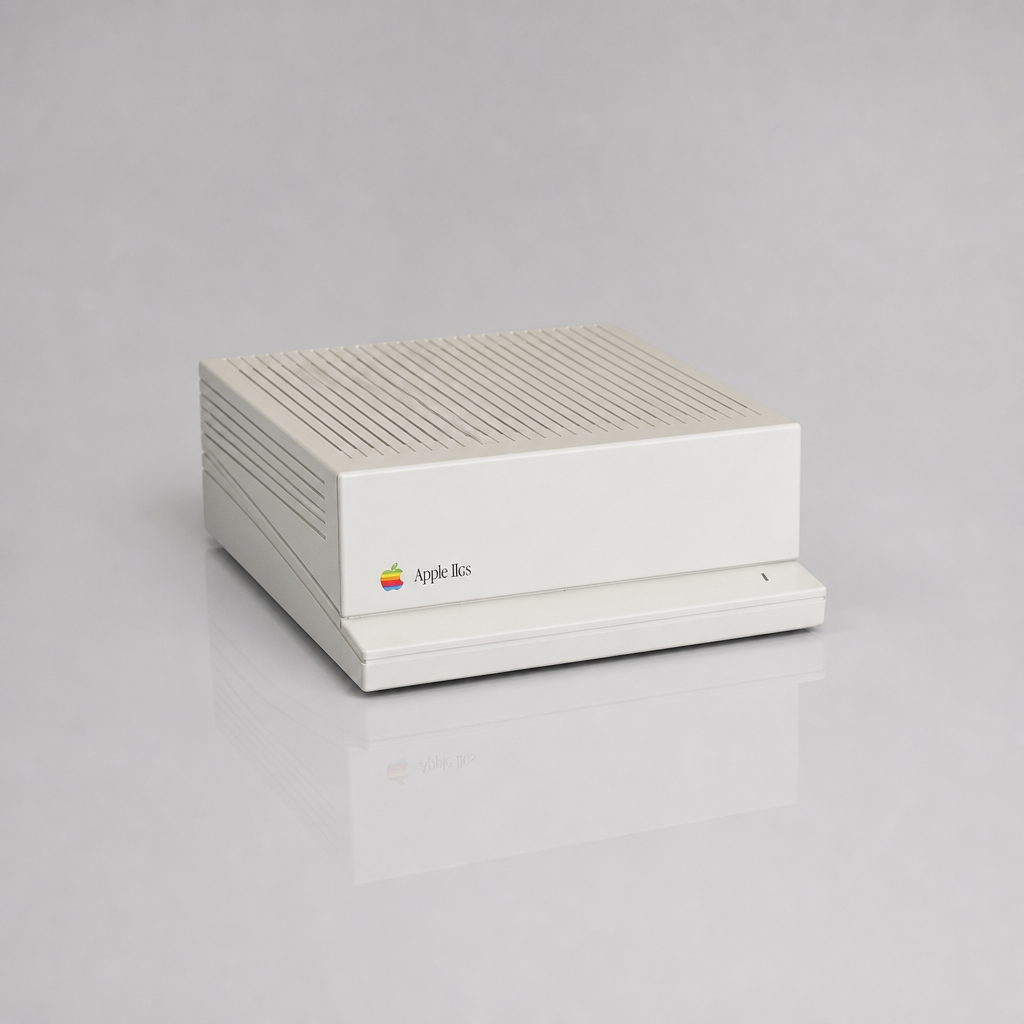
Apple's landmark home computer, introduced in 1977 with color graphics and an open architecture that invited third-party expansion. The Apple II defined the personal computer industry for nearly a decade and is the machine that made Apple profitable. Software like VisiCalc — the world's first spreadsheet — ran exclusively on the Apple II and created an entirely new reason to own a computer.
Mac Plus
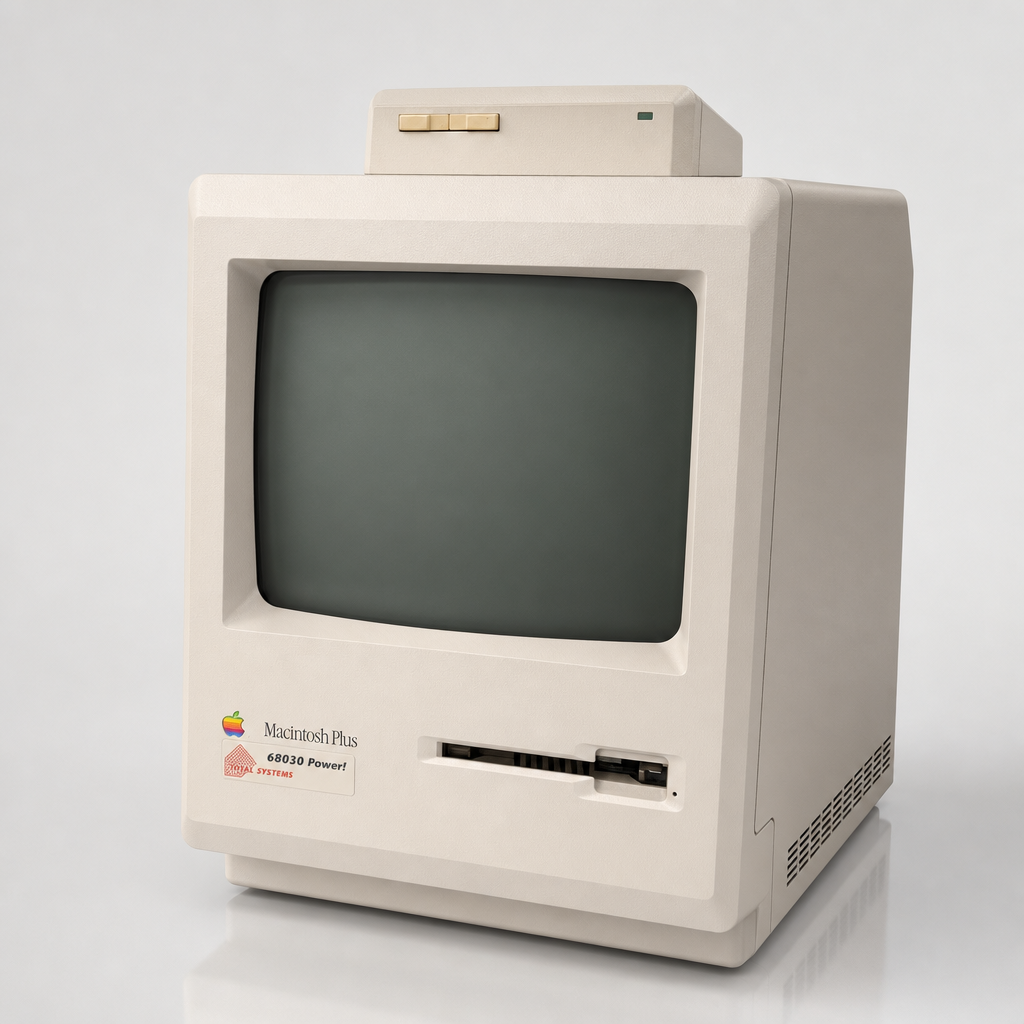
The first Mac that was genuinely good enough. The Plus shipped with 1MB of RAM standard, a double-sided 800K floppy, and - crucially — a SCSI port for external storage. Sold continuously for three years and six months, longer than any other Mac before it. Apple manufactured so many that a Plus often costs less than a Classic today, despite being older. The machine that proved the Macintosh concept was commercially sustainable. This specific computer, has a secret inside - a Total Systems Gemini 20MHz 030 upgrade board. This ingenious upgrade clipped onto the 68000 CPU and supercharges this machine with a much faster CPU.
Apple IIe Platinum
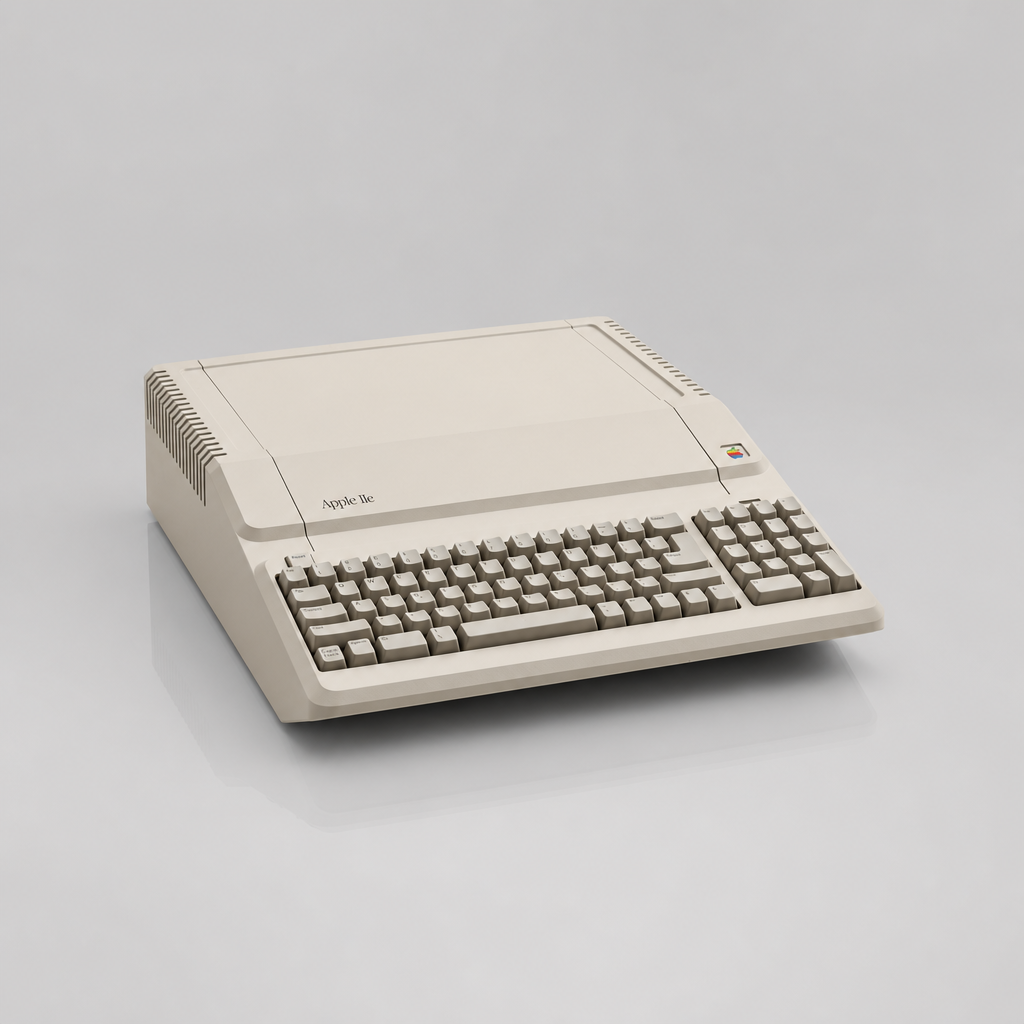
Apple's landmark home computer, introduced in 1977 with color graphics and an open architecture that invited third-party expansion. The Apple II defined the personal computer industry for nearly a decade and is the machine that made Apple profitable. Software like VisiCalc — the world's first spreadsheet — ran exclusively on the Apple II and created an entirely new reason to own a computer.