Volume III
The Roads Back to Apple
In the 1990s, Apple nearly lost control of its own future. While the company struggled, three different branches of the family tree pointed toward radically different versions of what the Macintosh might become: NeXT built the software foundation that would return Steve Jobs to Apple, the clone makers tried to turn the Mac into an open hardware ecosystem, and Be imagined a fast, media-first operating system for the post-classic era. Together, these machines tell the story of the futures Apple rejected, borrowed from, or quietly absorbed.
NeXT: The Exile That Came Home
The Narrative
After Steve Jobs left Apple, NeXT became his second attempt at defining the future of personal computing. The hardware was expensive and sold in small numbers, but the ideas were extraordinary: object-oriented software, a sophisticated Unix foundation, Display PostScript, and an interface philosophy that would eventually flow back into Apple. What looked like a detour in the late 1980s turned out to be the road back. Apple did not just bring Jobs home in 1996–97; it bought the platform that became the basis for Mac OS X and, eventually, macOS.
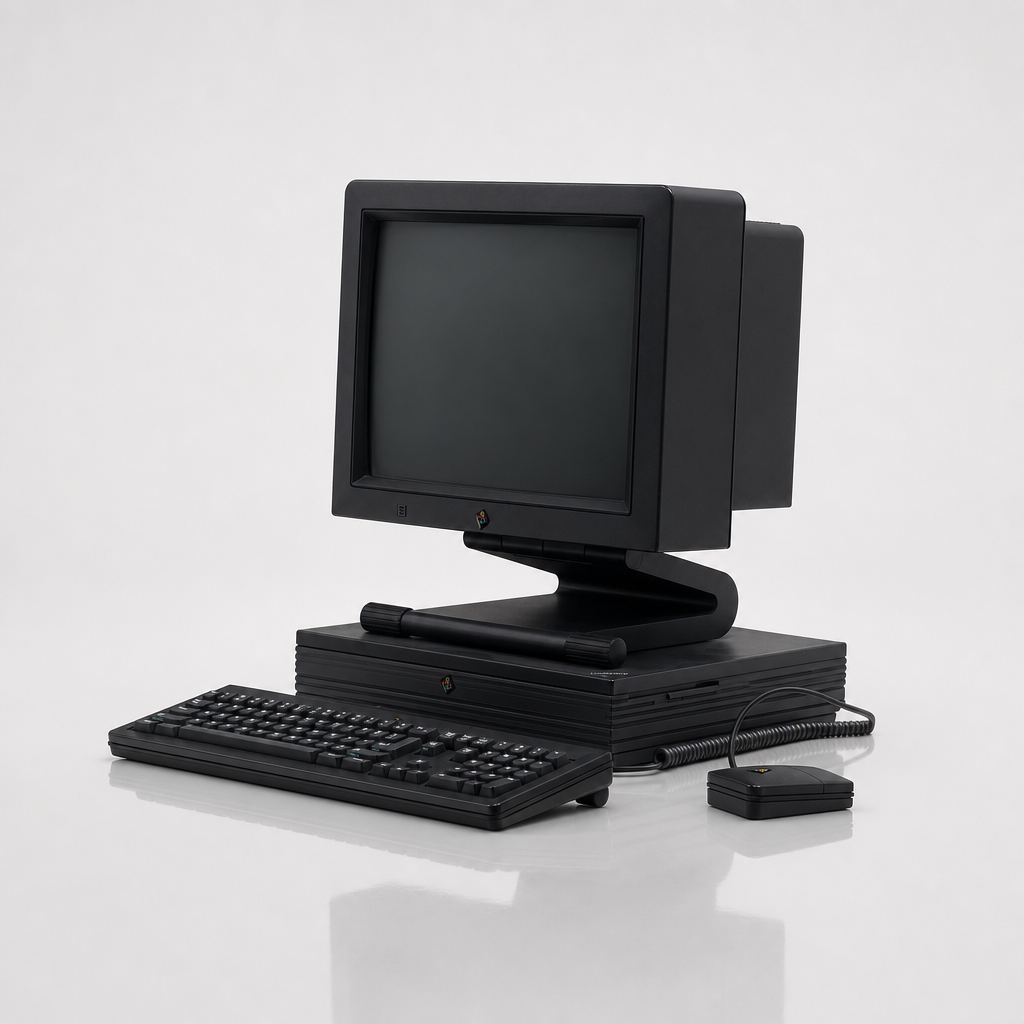
NeXTstation
Very RareNeXT • 1990
NeXT’s “practical” workstation was still anything but ordinary. The NeXTstation packaged a remarkably advanced software environment into a machine meant to make NeXT more attainable, even if its price kept it far from mainstream. For me, it represents the moment when the ideas that would later define Apple stopped being speculative and started becoming usable on a desk.
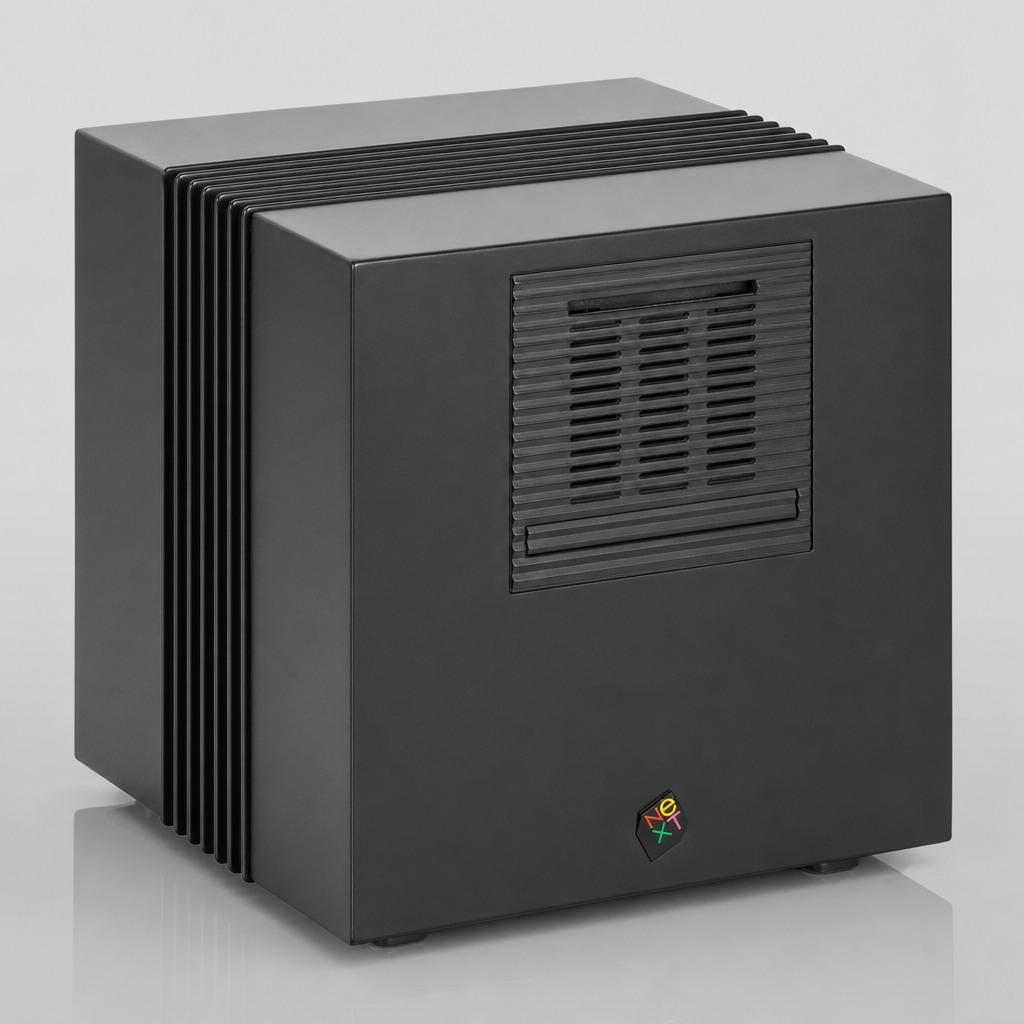
NeXT Cube
NeXT • 1990
The Cube is the icon of the whole story: ambitious, costly, elegant, and completely uncompromising. It was not the machine that saved NeXT as a hardware company, but it became the symbol of the platform Apple eventually needed badly enough to acquire. This is the artifact where “Steve Jobs in exile” stops being a biography and starts becoming the future of Apple.
Macintosh Clones: Licensed Rebellion
For a brief moment, Apple allowed other companies to build Macintosh-compatible hardware, hoping the Mac could compete more like the Windows PC world. The result was a strange and fascinating experiment: faster, cheaper, and often more expandable machines that still ran Mac OS. But the clone era exposed a deeper problem. Instead of expanding Apple’s reach in a healthy way, the program often undercut Apple’s own hardware business. When Steve Jobs returned, the strategy was reversed and the clone market quickly collapsed.
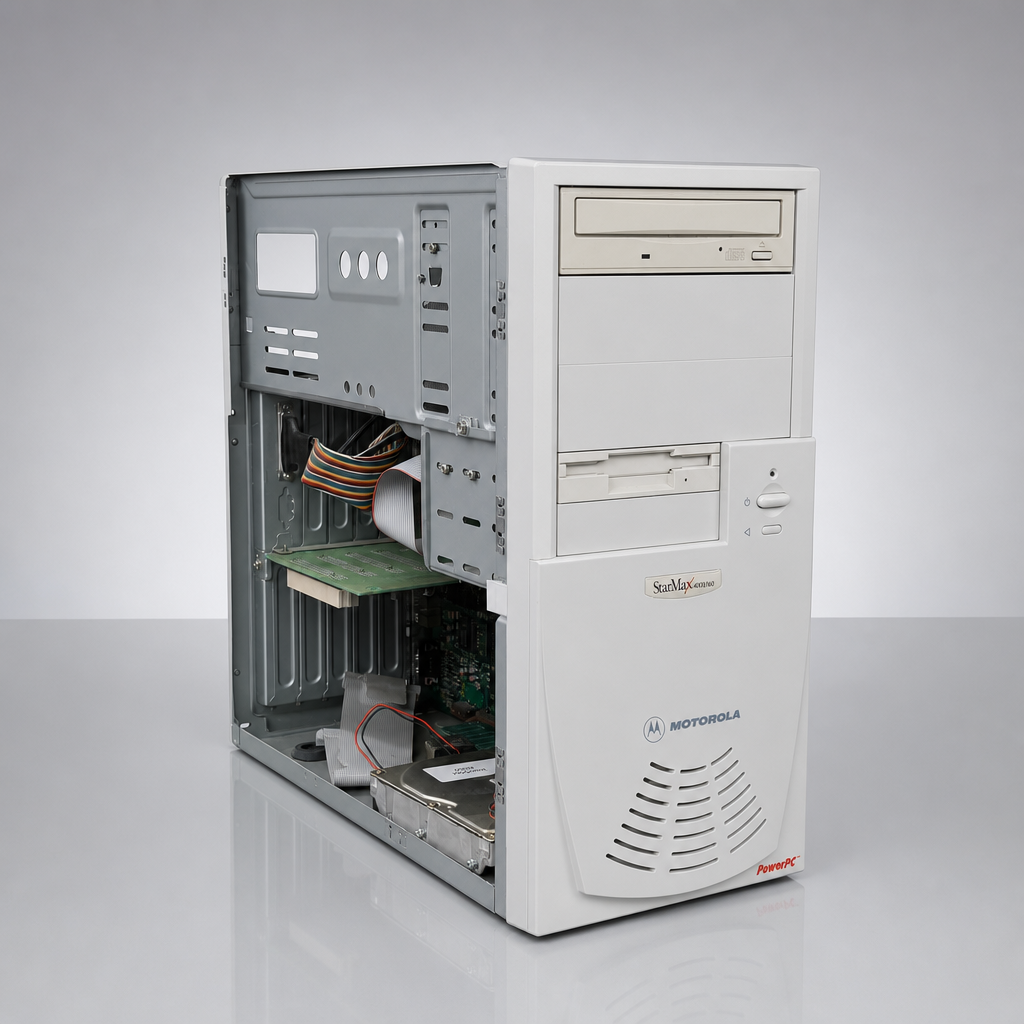
Motorola StarMax 4000/160
RareMotorola • 1996
The StarMax 4000 is the clone story in one box. It looks like a Mac from an alternate timeline: familiar enough to belong, different enough to feel slightly transgressive. Motorola’s StarMax line used Apple-compatible architecture but paired it with more conventional PC-style choices, including PS/2 and VGA, showing what the Macintosh might have looked like if Apple had chosen openness over control. This machine is less important as a sales success than as proof that the Mac clone era was real, ambitious, and unsustainable.
Be: The Other Escape Route
The Narrative
Before Apple bought NeXT, there was another possible answer to the company’s software crisis: Be. Founded by former Apple executive Jean-Louis Gassée, Be built BeOS as a modern, media-focused operating system designed for responsiveness, multitasking, and the kind of digital workflows that the classic Mac OS struggled to handle. Apple seriously considered Be during its search for a next-generation platform, but the deal never happened. That makes Be one of the great “what if” stories in Apple history: not a footnote, but a plausible alternate rescue plan.
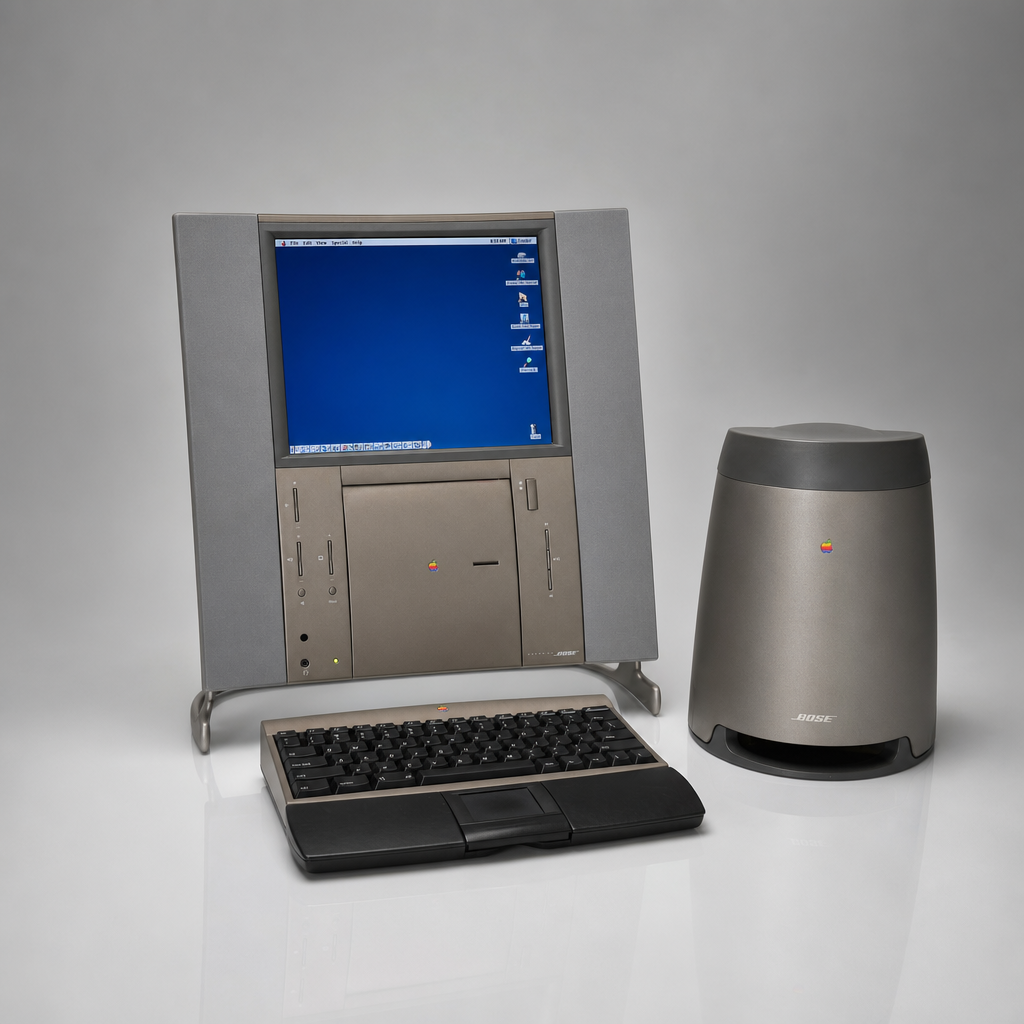
Twentieth Anniversary Mac
Very RareApple • 1997
The Twentieth Anniversary Macintosh is already a machine full of contradiction: luxurious, celebratory, and slightly out of step with the crisis Apple was actually in. With BeOS installed, it becomes even more revealing. It turns from anniversary object into alternate-history exhibit, pairing one of Apple’s most self-conscious late-1990s designs with the operating system from a company Apple nearly bought instead of NeXT.
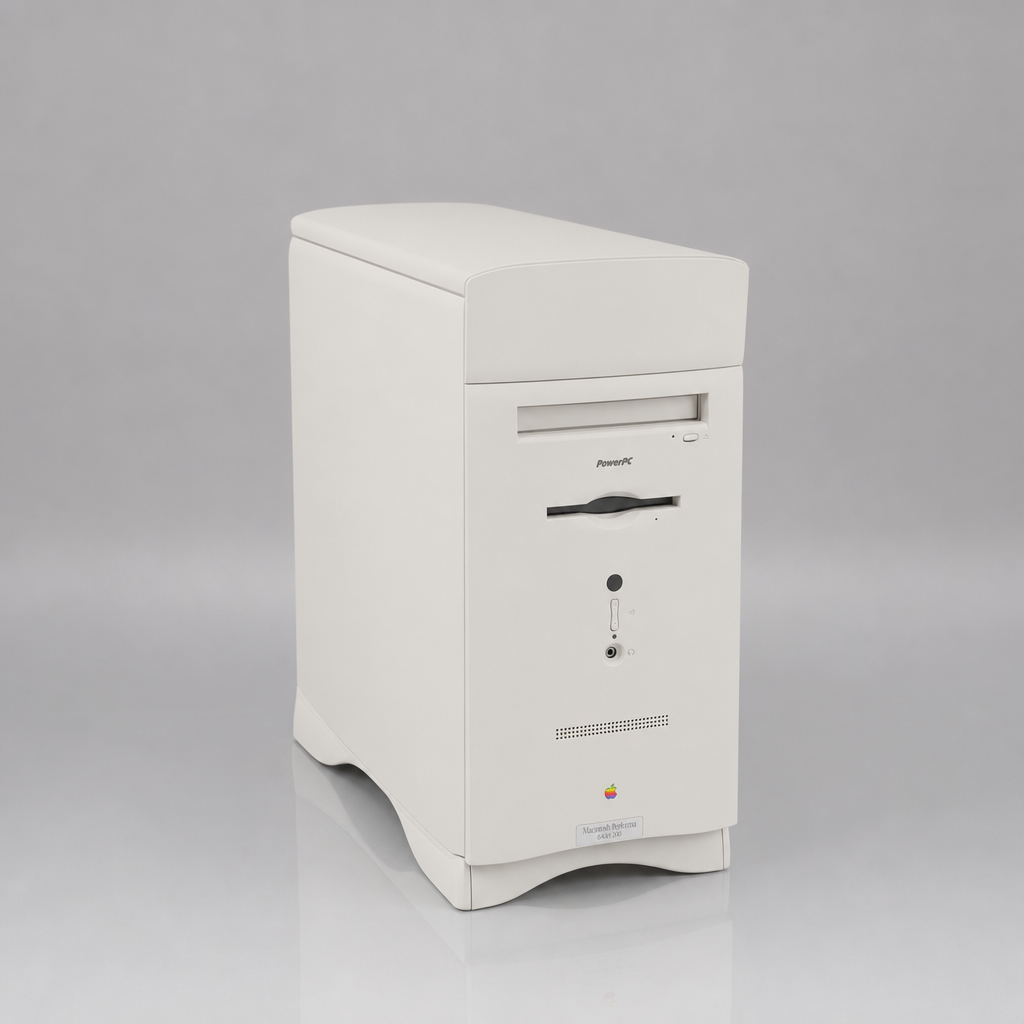
Performa 6400/200
UncommonApple • 1996
The Power Macintosh 6400 is a better lens on BeOS as a practical possibility. It was a mainstream Power Mac, the kind of machine that makes the Be story feel close to real rather than merely exotic. Seeing BeOS on a 6400 helps explain why Be attracted so much attention: it was not just a clever demo on niche hardware, but software that could plausibly have become Apple’s next platform in a very different timeline.