Volume VI
Apple Goes to School
For decades, education was one of Apple’s most important proving grounds. From the Apple II’s early foothold in classrooms, to the affordable Macintosh LC family, to the rugged all-in-ones built for labs and libraries, Apple repeatedly shaped its products around the needs of students and schools. These machines tell the story of how Apple became a classroom brand, how it tried to hold that position through the 1990s, and how education helped define generations of Apple hardware.
The Classroom Beachhead: Apple II
The Narrative
Apple’s education story begins before the Macintosh. In the late 1970s and 1980s, the Apple II became one of the company’s most important classroom machines, helped by strong software support, approachable design, and Apple’s aggressive push into schools. For many students, an Apple II was not just their first Apple computer, but their first computer of any kind. Long before Apple sold creativity, design, or lifestyle, it sold familiarity: the machine waiting in the school lab.
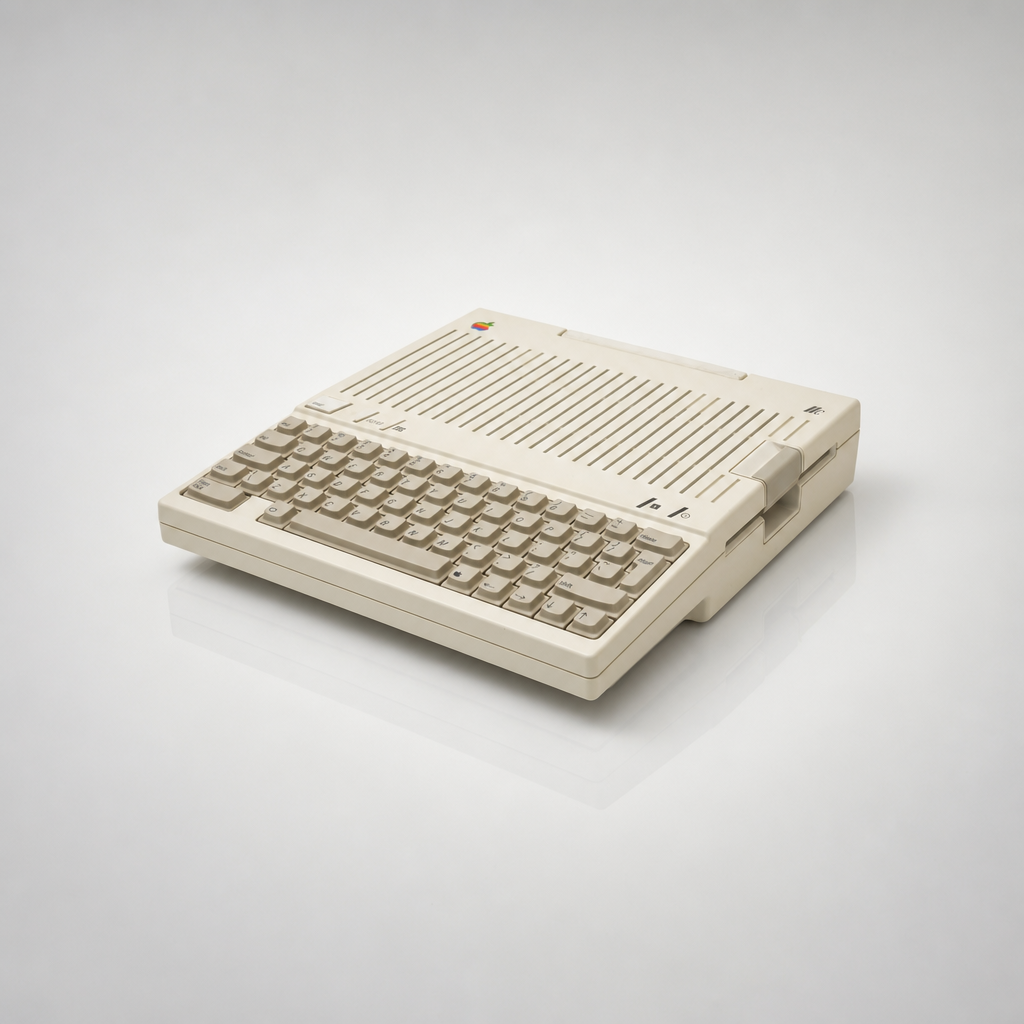
Apple IIc
UncommonApple • 1984
The Apple IIc shows how Apple translated the Apple II platform into something compact, friendly, and approachable. It was not the first school Apple, but it captures the platform at the moment when Apple had already become a fixture in education. In this collection, it stands in for the period when Apple computers stopped being novel and started becoming normal in classrooms.
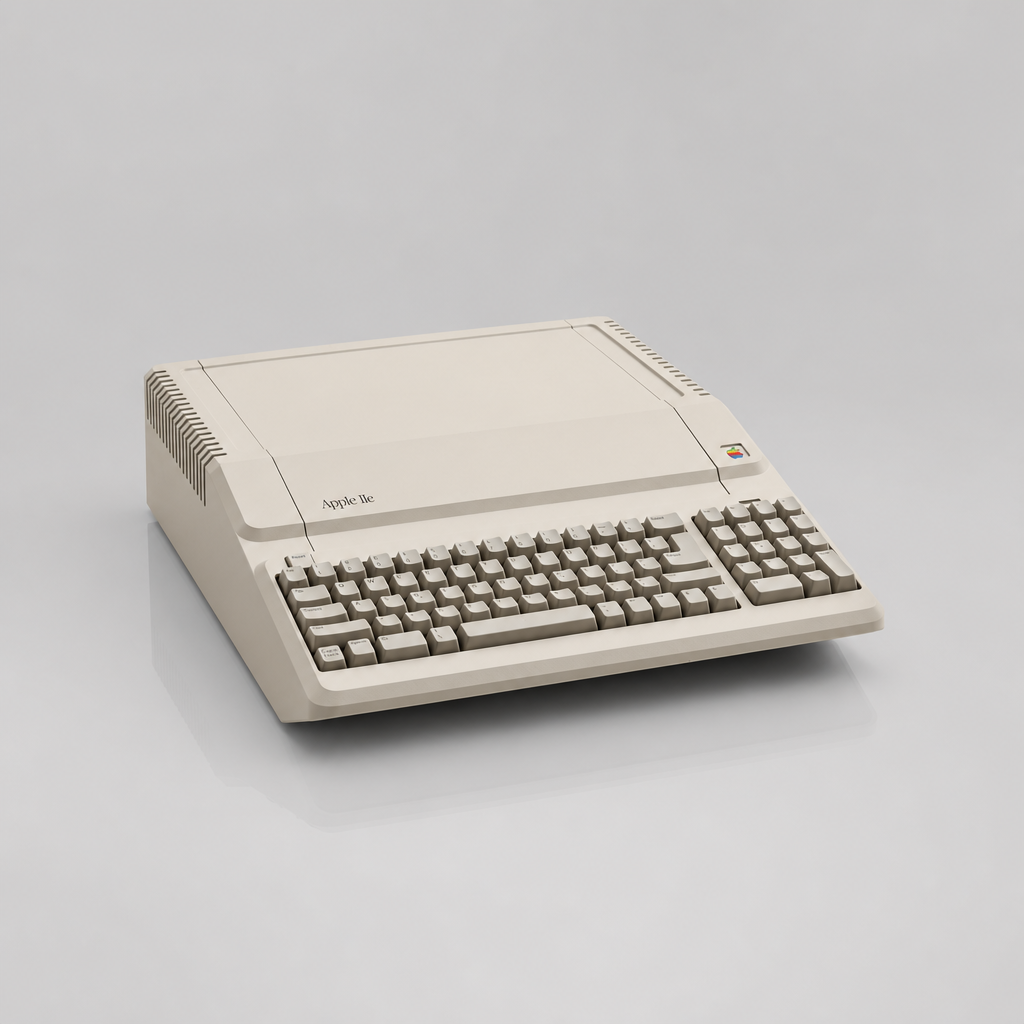
Apple IIe Platinum
UncommonApple • 1987
The Apple IIe was one of the defining school computers of the 1980s, and the Platinum model represents that legacy in its most refined form. By the time this machine arrived, the Apple II was already deeply embedded in education. It reminds us that Apple’s classroom dominance did not begin with the Macintosh — it was built on years of students learning to type, code, and use educational software on the Apple II.
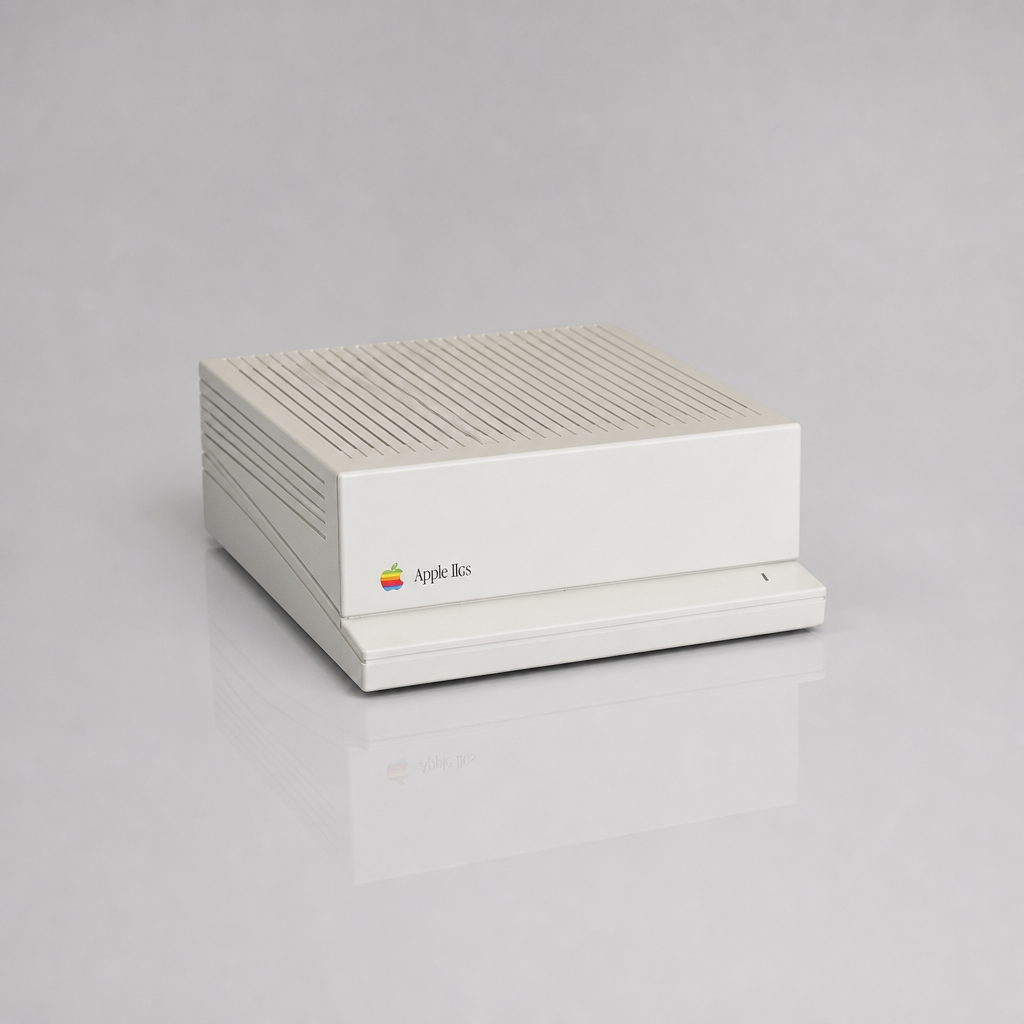
Apple IIgs
UncommonApple • 1986
The IIgs is where Apple’s education story starts to overlap with the Macintosh era. It kept the Apple II line alive for schools while borrowing some of the polish and ambition of the Mac. In that sense, it feels like a transitional classroom machine: one foot in the Apple II world, the other in the future Apple was trying to build.
The Affordable Mac: LC to Performa
If the Apple II won the classroom, the Macintosh LC family tried to keep it. Apple needed lower-cost Macs that schools could actually afford, and the LC formula — compact desktop systems designed for education, home use, and easy deployment — became central to that effort. In this collection, the Performa descendants of that idea help tell the story: machines that took the classroom-friendly logic of the LC and stretched it across the 1990s, trying to keep the Mac relevant in school labs as budgets tightened and Windows PCs became harder to ignore.
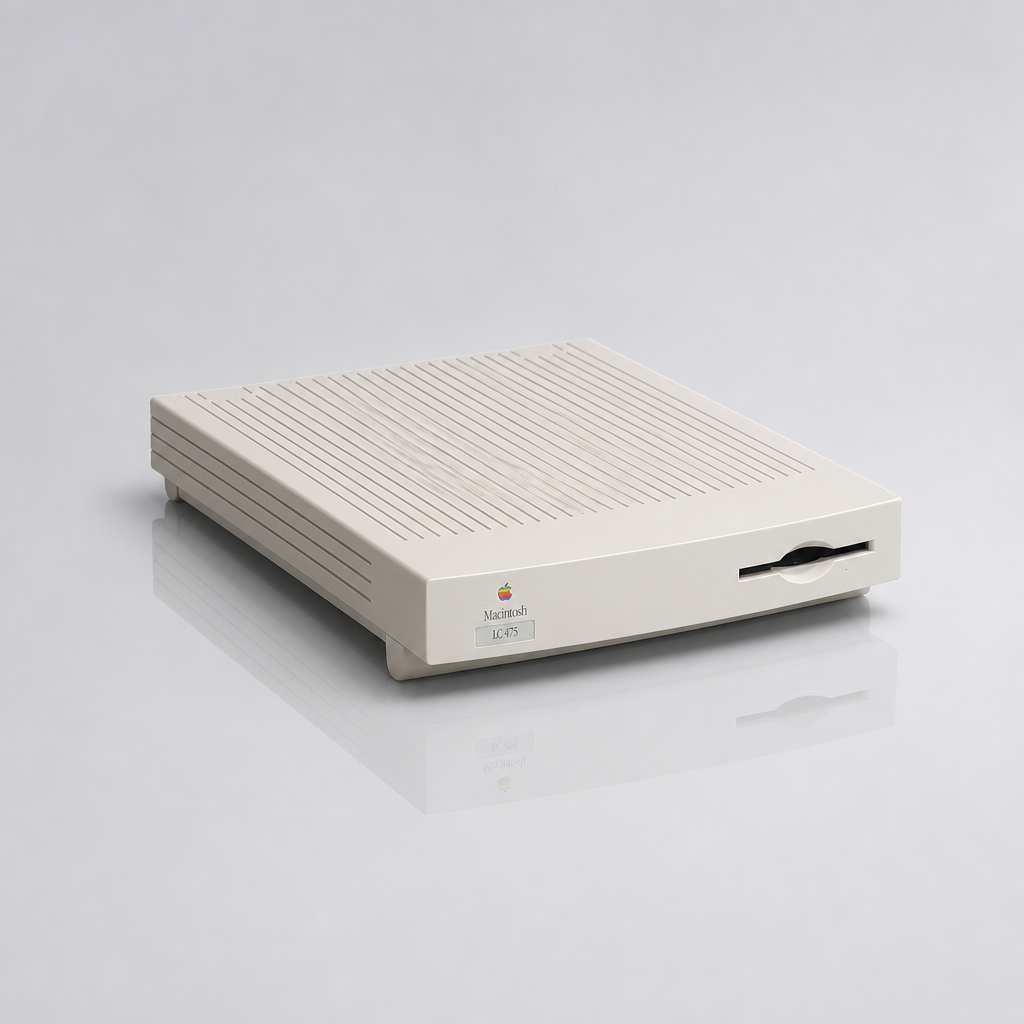
Macintosh LC 475
CommonApple • 1993
The Performa 475 is a useful stand-in for Apple’s low-cost 68k classroom strategy. Small, affordable, and practical, it reflects the same priorities that made the LC line so important in education: enough Macintosh capability at a price schools could justify. It is not glamorous, but that is exactly the point. Apple’s education machines were often built to be dependable lab workhorses rather than halo products.
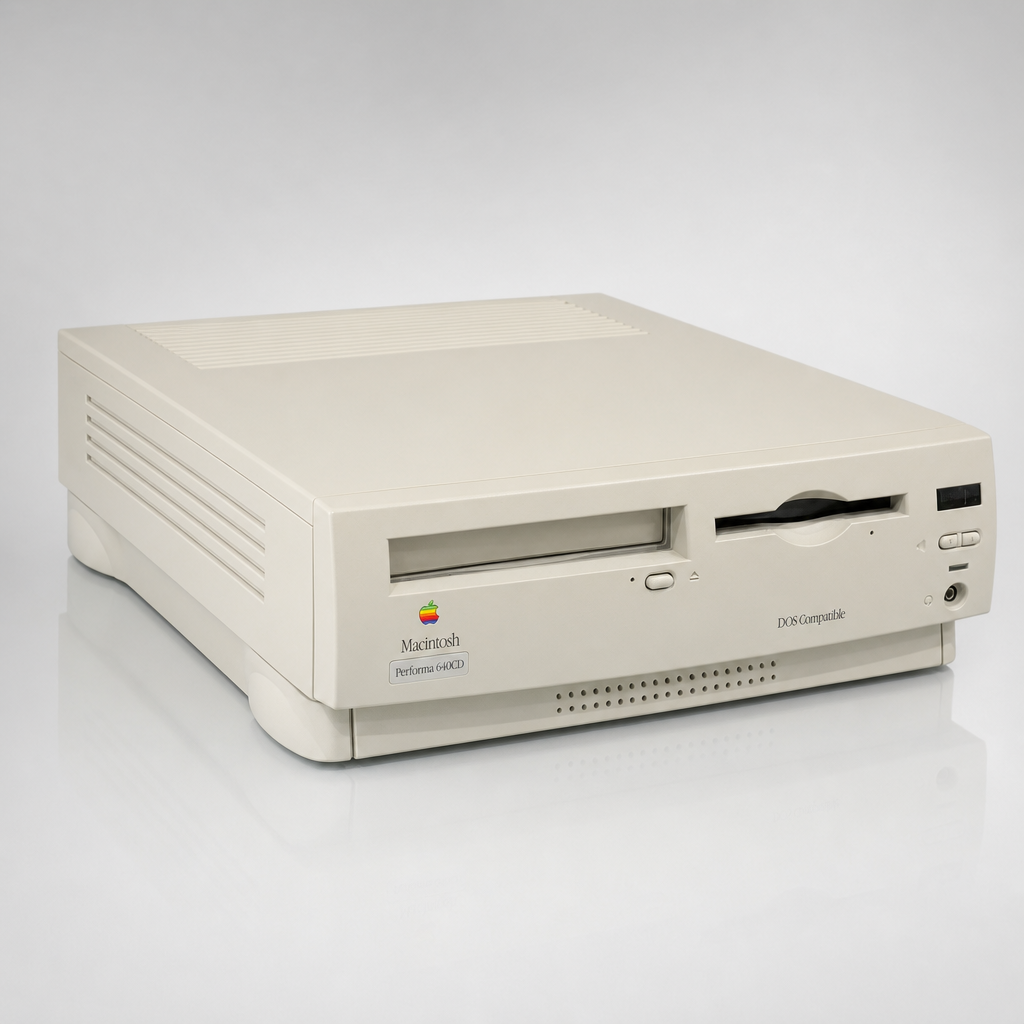
Performa 640CD
UncommonApple • 1995
The Performa 640CD DOS Compatible is one of the most revealing education-era Macs in this collection because it shows Apple responding directly to a practical problem schools faced: important software did not always exist for the Mac. By adding DOS compatibility hardware, Apple was trying to preserve the Macintosh in classrooms and homes that still needed access to the enormous DOS software world. It is an especially vivid reminder that Apple’s education strategy was not only about building approachable machines, but also about reducing the risks for schools that depended on cross-platform software.
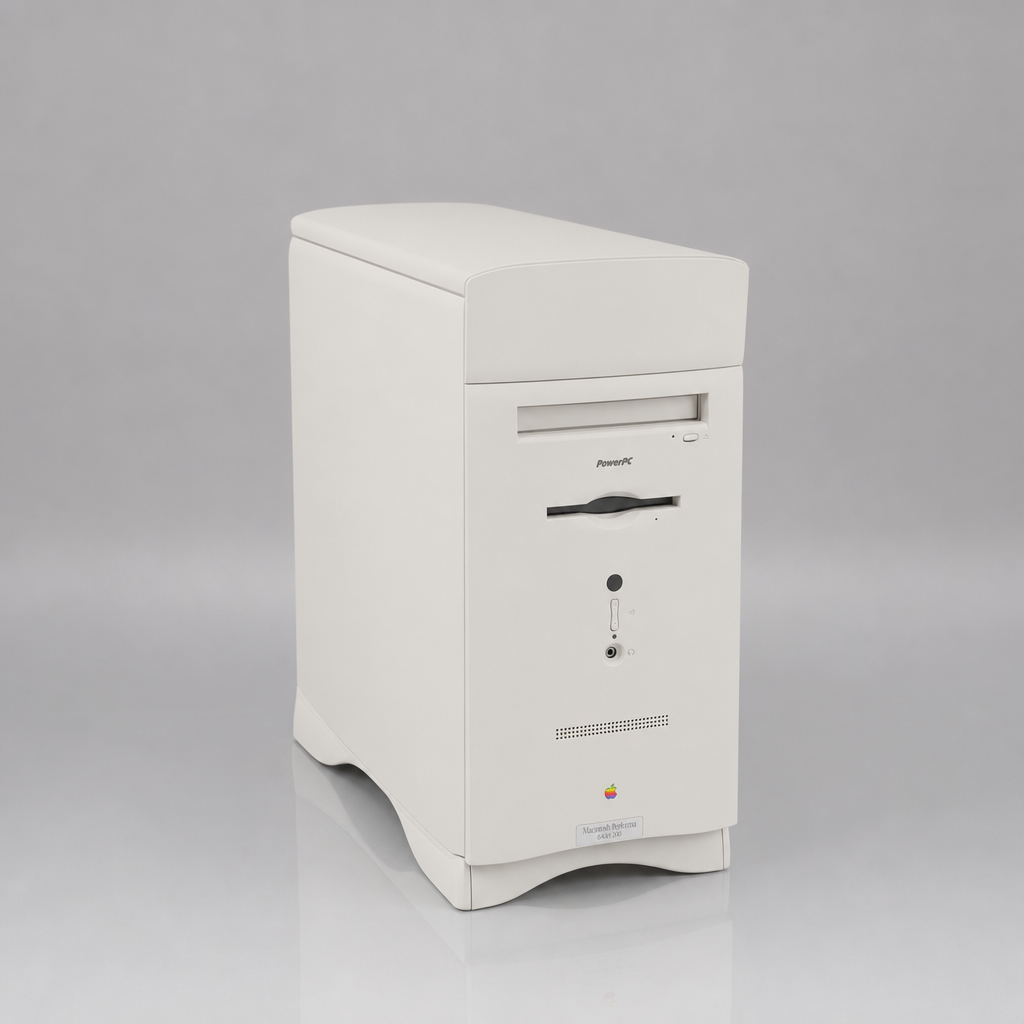
Performa 6400/200
UncommonApple • 1996
The 6400 represents the later, more performance-conscious end of Apple’s affordable desktop strategy. By this point, the classroom computer was no longer just a machine for drills and writing papers — it was expected to handle multimedia, the internet, and increasingly demanding software. The 6400 feels like Apple trying to prove that a mainstream Mac could still make sense in education even as the market became more competitive.
Built for the Lab: The Molar Mac
The Narrative
The Power Macintosh G3 All-in-One is one of the clearest examples of Apple designing specifically for schools. Nicknamed the “Molar Mac,” it was bulky, colorful, durable, and easy to manage in classroom environments. It was not trying to be elegant in the way consumer Macs were. Instead, it was a purpose-built education machine: sturdy, serviceable, and unmistakably intended for rows of desks, library corners, and computer labs.
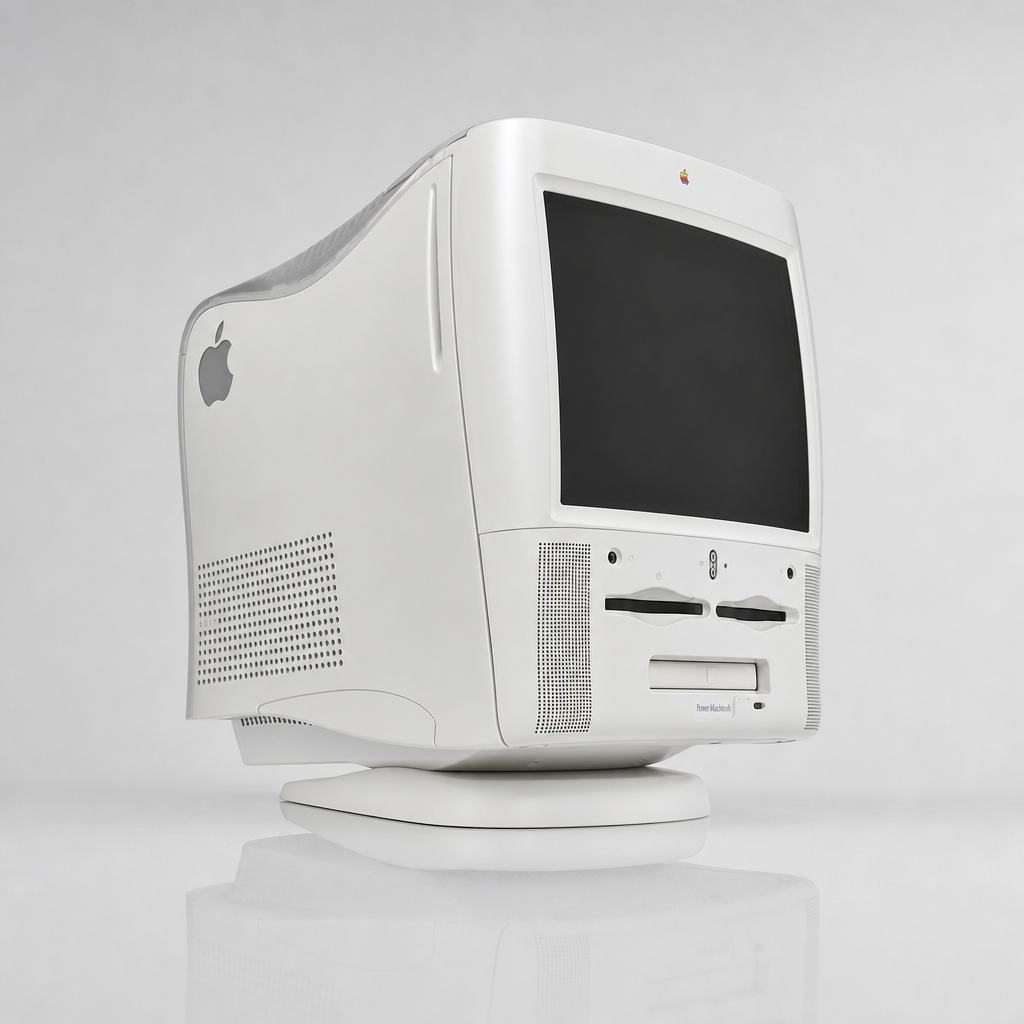
PowerMac G3 All-in-One
Very RareApple • 1998
Few Macs wear their educational purpose as openly as the Molar Mac. Everything about it prioritizes school use over home appeal: the integrated CRT, the sturdy build, the easy-access design, and the focus on surviving institutional life. It is one of the best artifacts in this collection for showing that Apple did not just sell existing machines to schools — sometimes it built machines specifically for them.
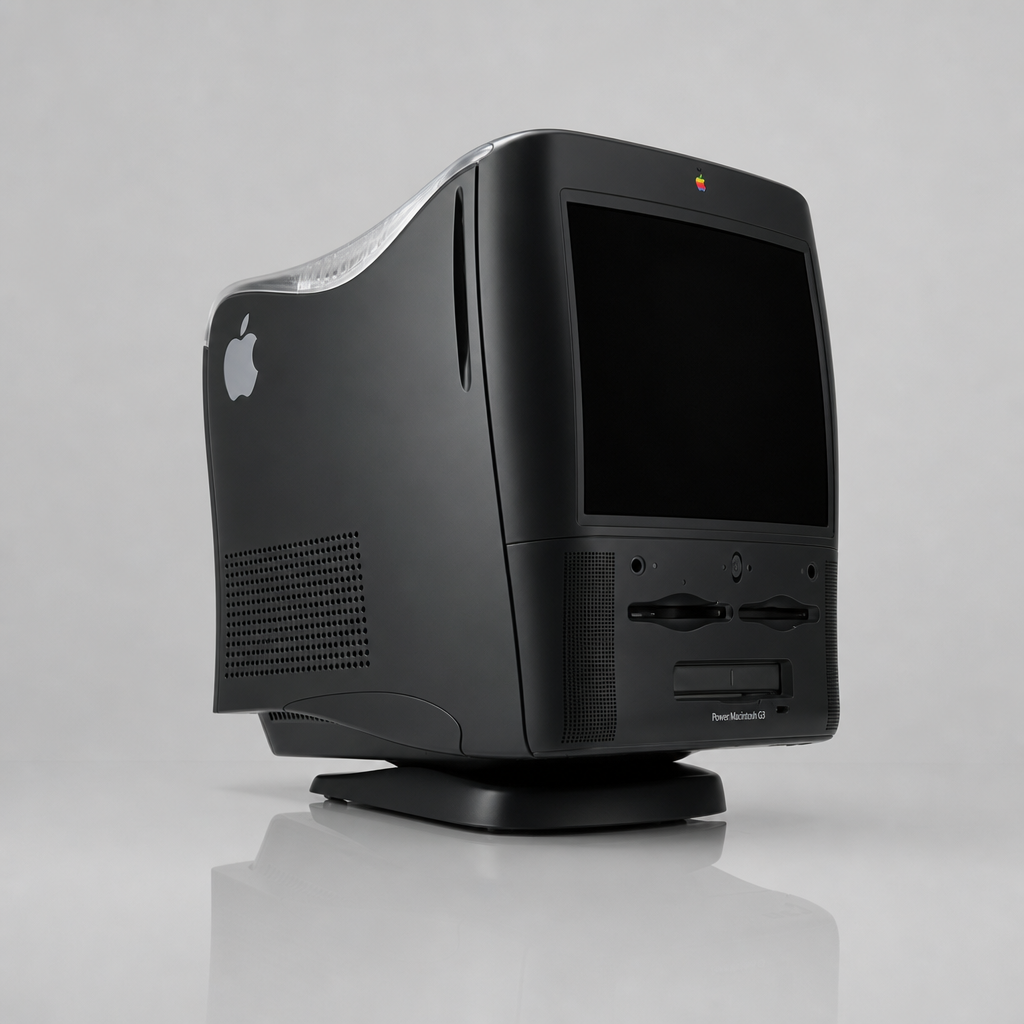
PowerMac G3 All-in-One
Very RareApple • 1998
This upgraded example is especially fun because it shows how school hardware often outlived its original moment. Even when the platform was pushed beyond its factory configuration, the machine still carries the DNA of Apple’s late-1990s education strategy. It makes a strong collectible because it is both a historical artifact and a reminder that school Macs were often expected to keep going well past their first life cycle.
The Last Great School Mac: eMac
The eMac was Apple’s return to the dedicated education desktop in the early 2000s. Where the colorful iMac had become more of a consumer icon, the eMac was heavier, cheaper, and built for institutional use. It was a lab Mac, not a living room Mac. In many ways, it was the spiritual successor to Apple’s earlier education-first machines: practical, durable, and aimed at the places where computers had to work every day for large numbers of students.
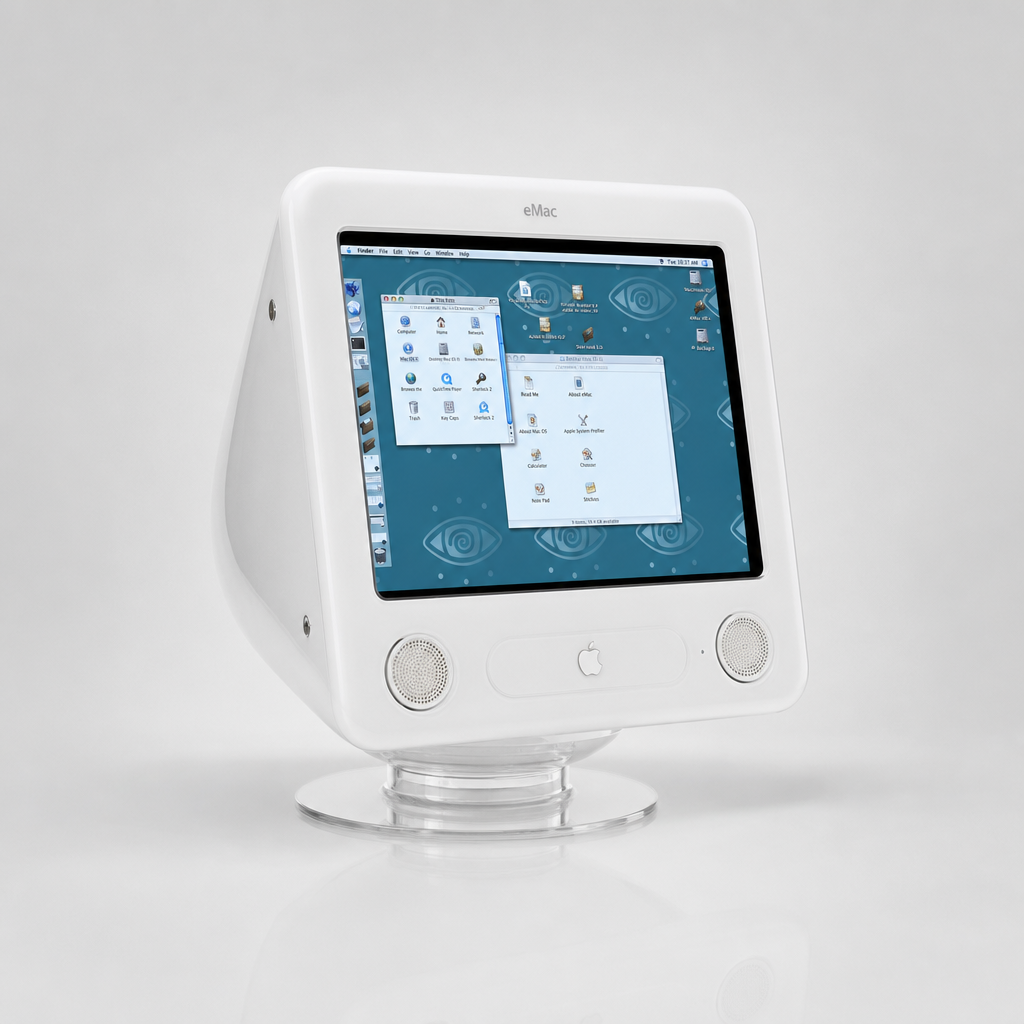
eMac G4/700
UncommonApple • 2003
The eMac feels like Apple returning to an old instinct: build the school machine first, and worry about glamour second. Its weight, CRT design, and no-nonsense construction all speak to classroom realities. This is not the Mac of keynote stages and design magazines. It is the Mac of labs, media carts, and school libraries — and that makes it one of the purest education-focused Apple computers in this collection.
Beyond the Desktop
The Narrative
Apple’s education efforts were not limited to desktops. The company also experimented with portable and specialized devices meant to fit school life more directly. These machines reflect Apple’s broader ambition: not just to place computers in classrooms, but to imagine how students might carry, share, and interact with technology in new ways. Some were practical successes, others were side paths, but all of them show how seriously Apple took education as a product category.
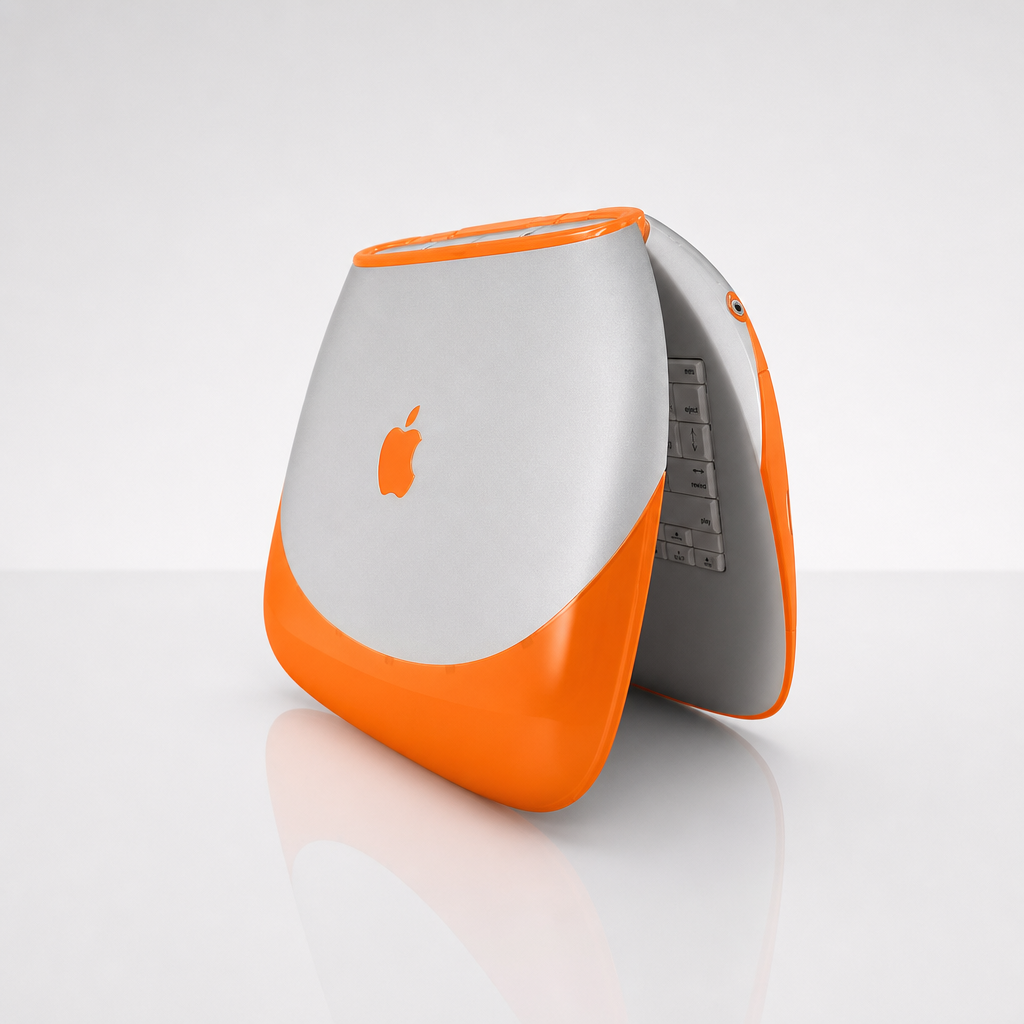
iBook G3
UncommonApple • 1999
The clamshell iBook brought education into Apple’s internet age. Durable, playful, and portable, it was built for student life in a way earlier Macs were not. Apple even included underside charging access to make it easier for schools to charge many machines at once in carts and classroom storage. In this collection, it marks the shift from the shared computer lab to the personal school computer.
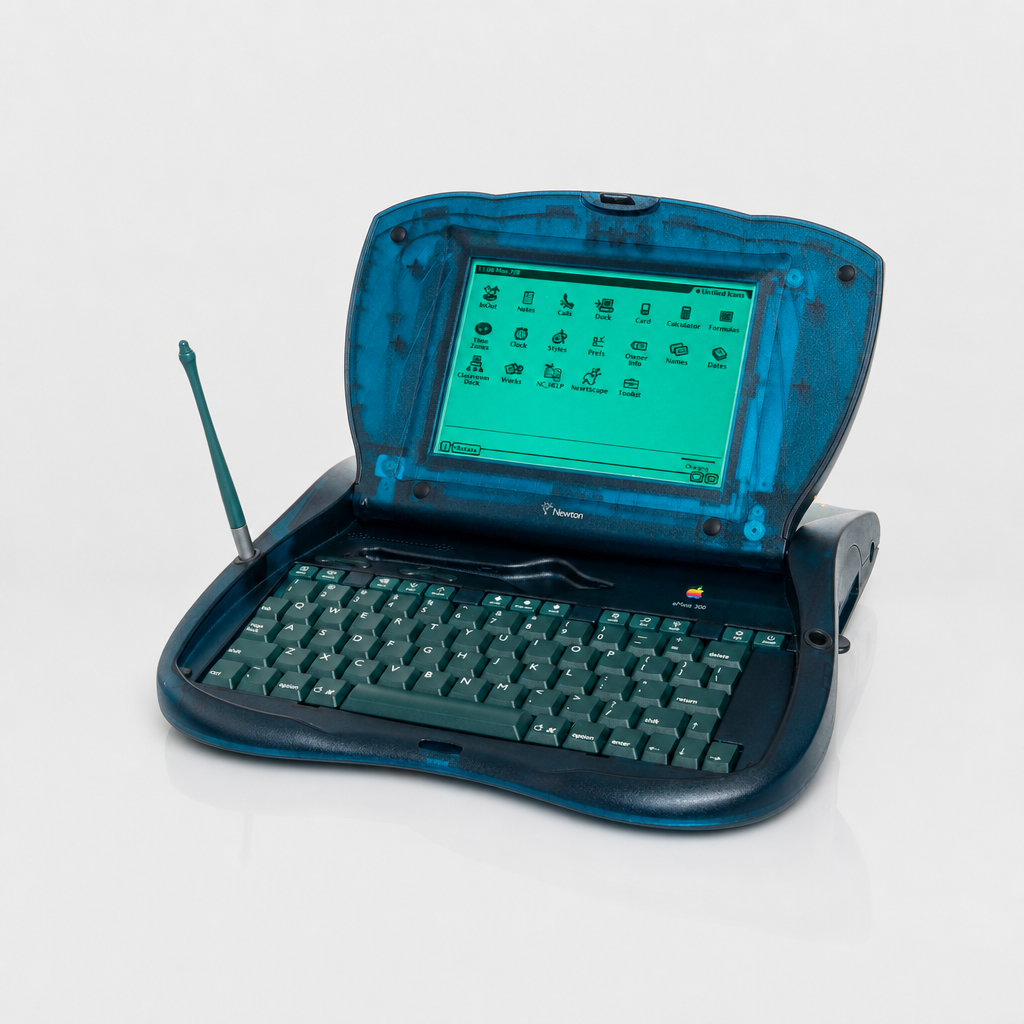
Newton eMate 300
UncommonApple • 1997
The eMate 300 is one of Apple’s most explicitly education-focused products. Rugged, distinctive, and designed with student use in mind, it represents an alternate vision of classroom computing — one centered on portability, note-taking, and personal use rather than fixed desktop labs. Even though it belongs to the Newton family rather than the Macintosh line, it fits perfectly in this story because it shows Apple trying to reinvent educational computing rather than simply scaling down a desktop machine.