Volume IV
Power and Color
From expandable towers to design experiments, this era charts Apple at its most ambitious — and most troubled. The machines were extraordinary. The company nearly went bankrupt making them.
The Flagships
The Narrative
In the early 1990s, Apple built the fastest personal computers money could buy. No corner was cut. No expense was spared. The price tags reflected it.
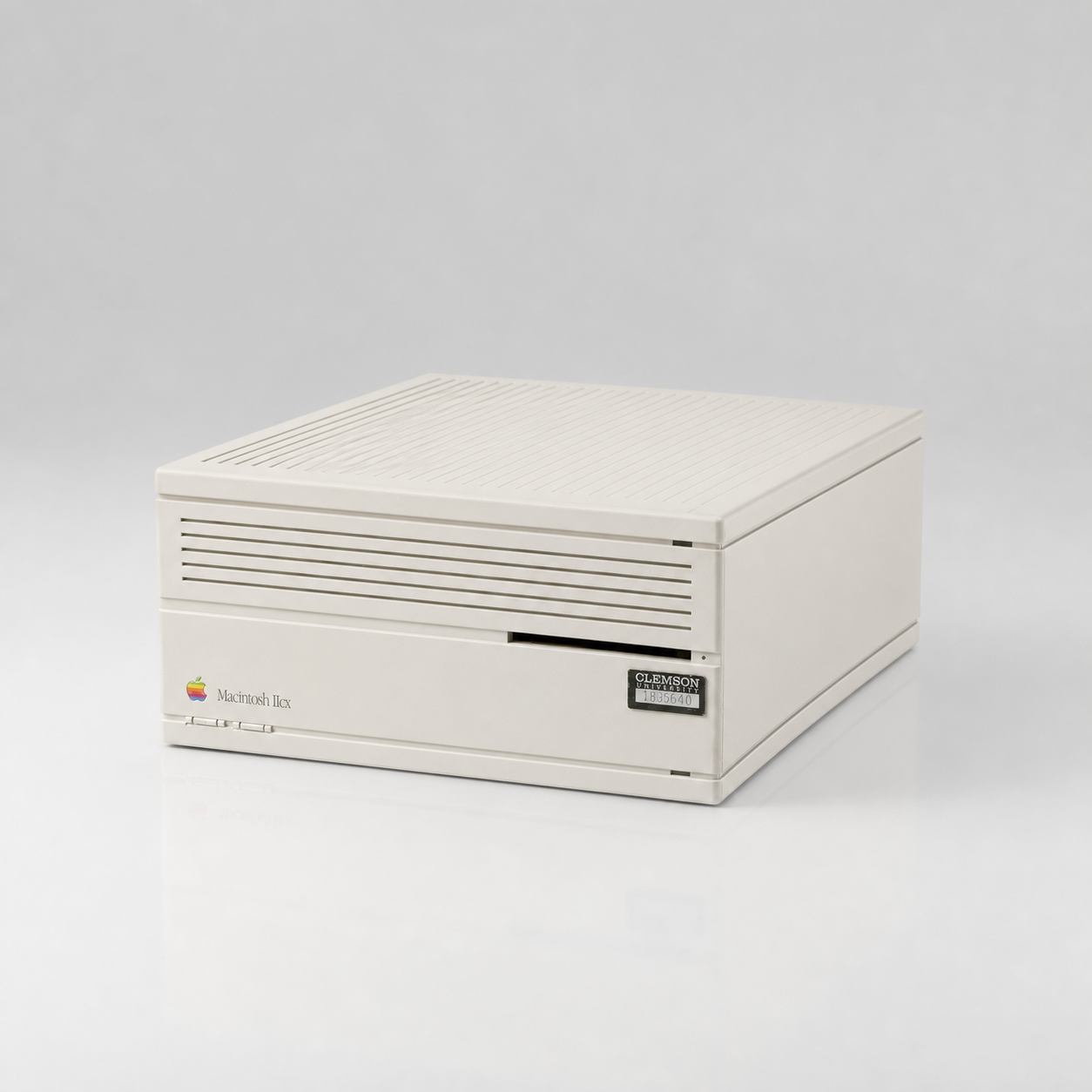
Macintosh IIcx
UncommonApple • 1989
A slimmed-down IIx in a smaller case — the first Mac that fit under a monitor. The IIcx proved that expandable Macs didn't have to be tower-sized.
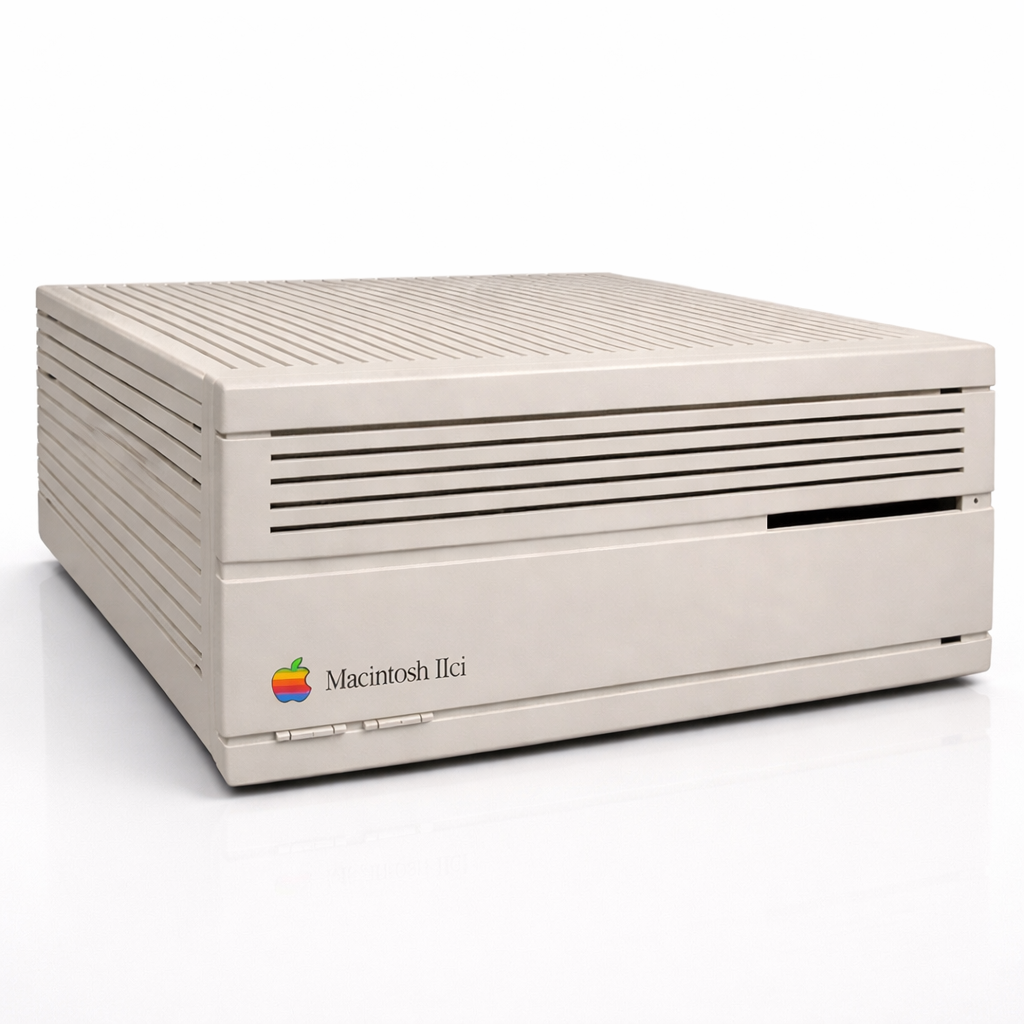
Macintosh IIci
UncommonApple • 1989
The IIci was the first Mac with a built-in cache slot and was so popular that it stayed in production for three years. A workhorse that outlasted most of its contemporaries.
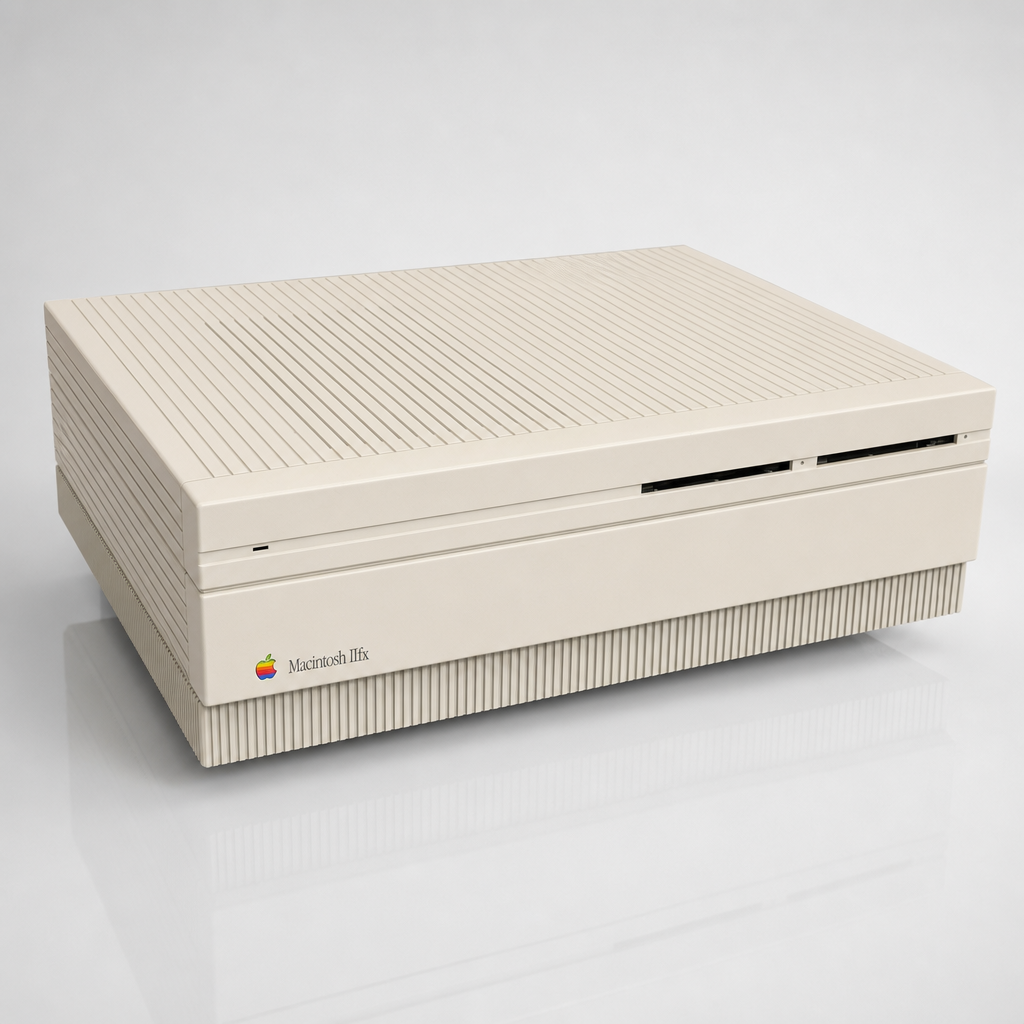
Macintosh IIfx
RareApple • 1990
Apple called it 'wicked fast' in the ads. At $10,000 in 1990, it cost more than most cars. The IIfx used a 40 MHz 68030, dedicated I/O processors for each expansion slot, and custom DRAM timing Apple developed in-house. The fastest 68030 Mac ever shipped.
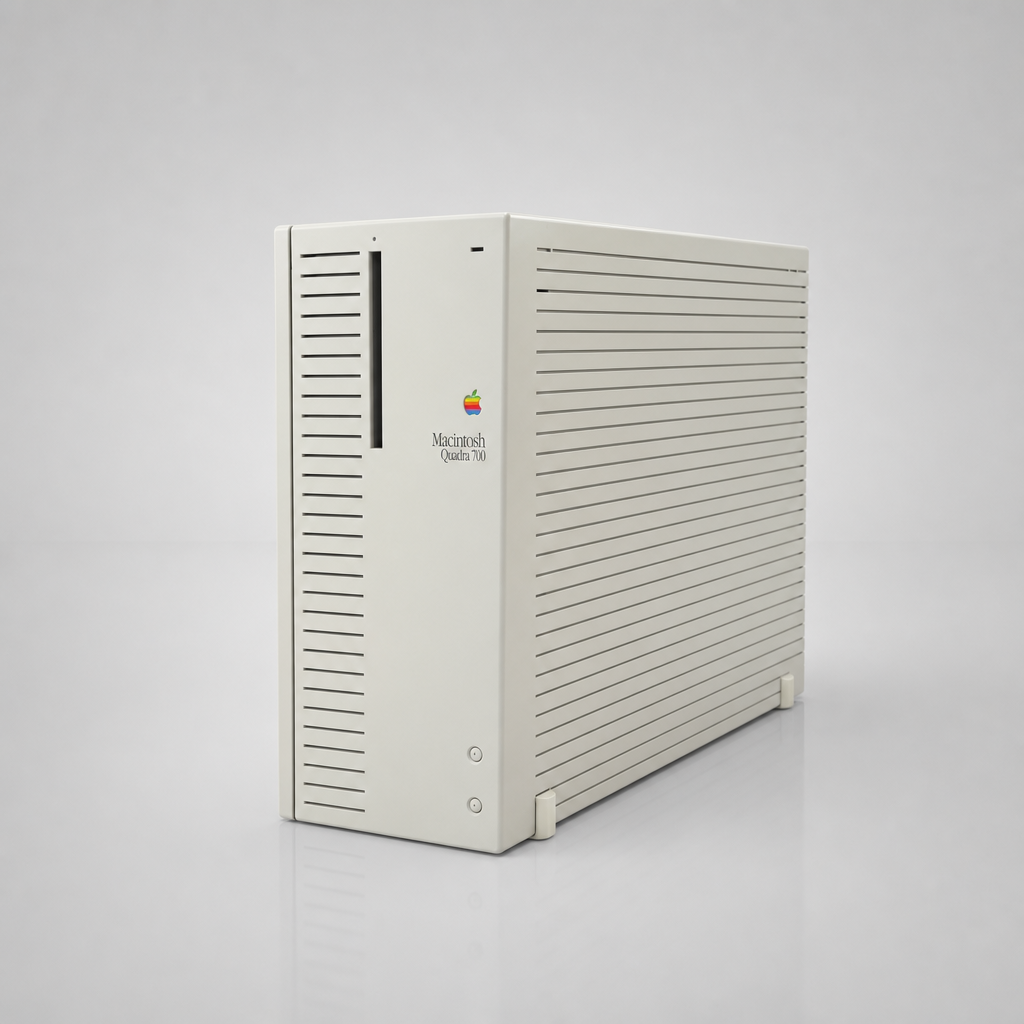
Quadra 700
RareApple • 1991
The first 68040 Mac. Quiet, fast, and expensive — a professional's tool in a desktop case that looks like it was designed for a bank vault. 25 MHz 68040, onboard Ethernet, 20MB RAM standard. No expense spared.
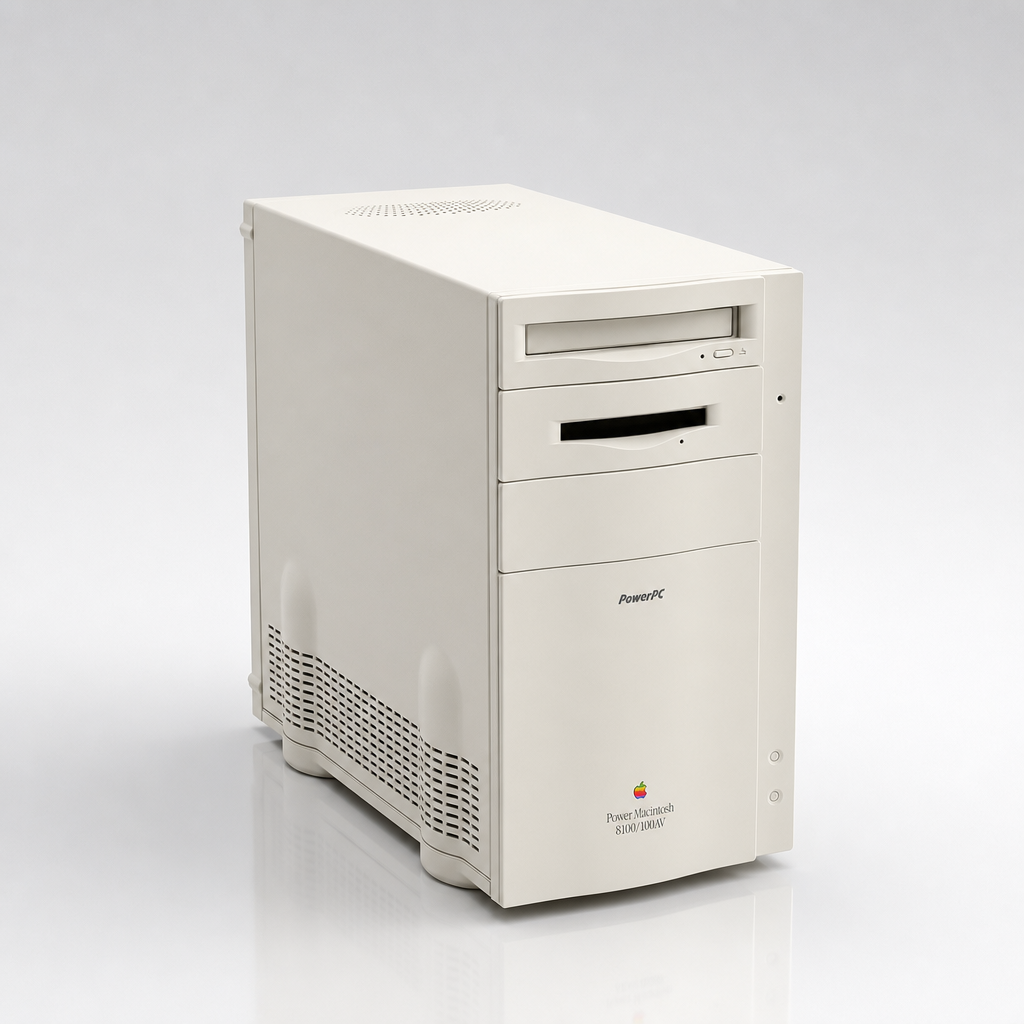
PowerMac 8100/100AV
UncommonApple • 1995
A flagship Power Mac from the years when Apple built no-compromise machines for professional users. The 8100/100AV paired top-end PowerPC performance with advanced audio-video hardware, making it one of the clearest examples of Apple’s early-1990s ambition.
When Color Arrived
1993 was the year the Mac stopped being beige. Apple shipped a compact Mac with a color screen, an all-black Mac with a TV tuner, and dozens of Performa models at every price point.
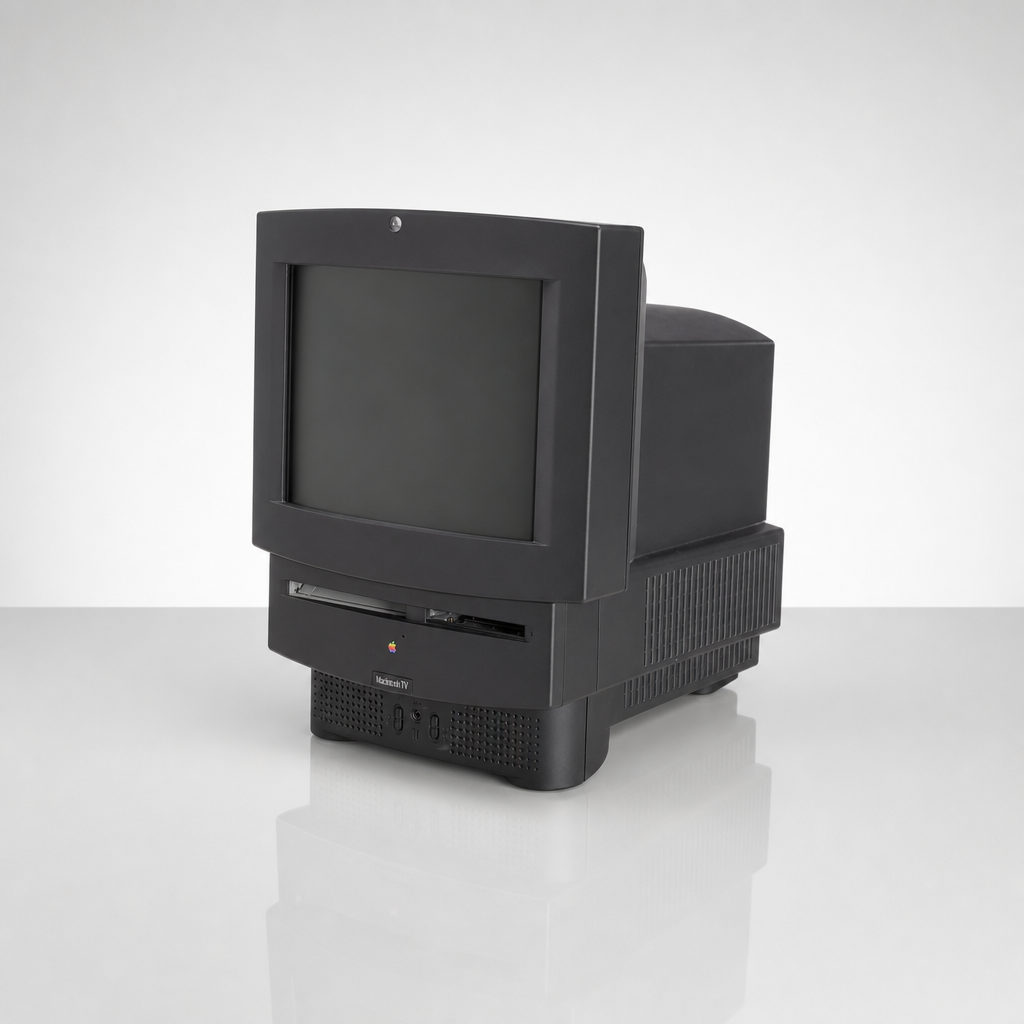
Macintosh TV
Apple • 1993
One of only 10,000 ever made. The only all-black Mac Apple ever sold commercially. It had a real TV tuner — you could watch cable through your Mac. Fully recapped analog board and logic board. Still works, including the TV.
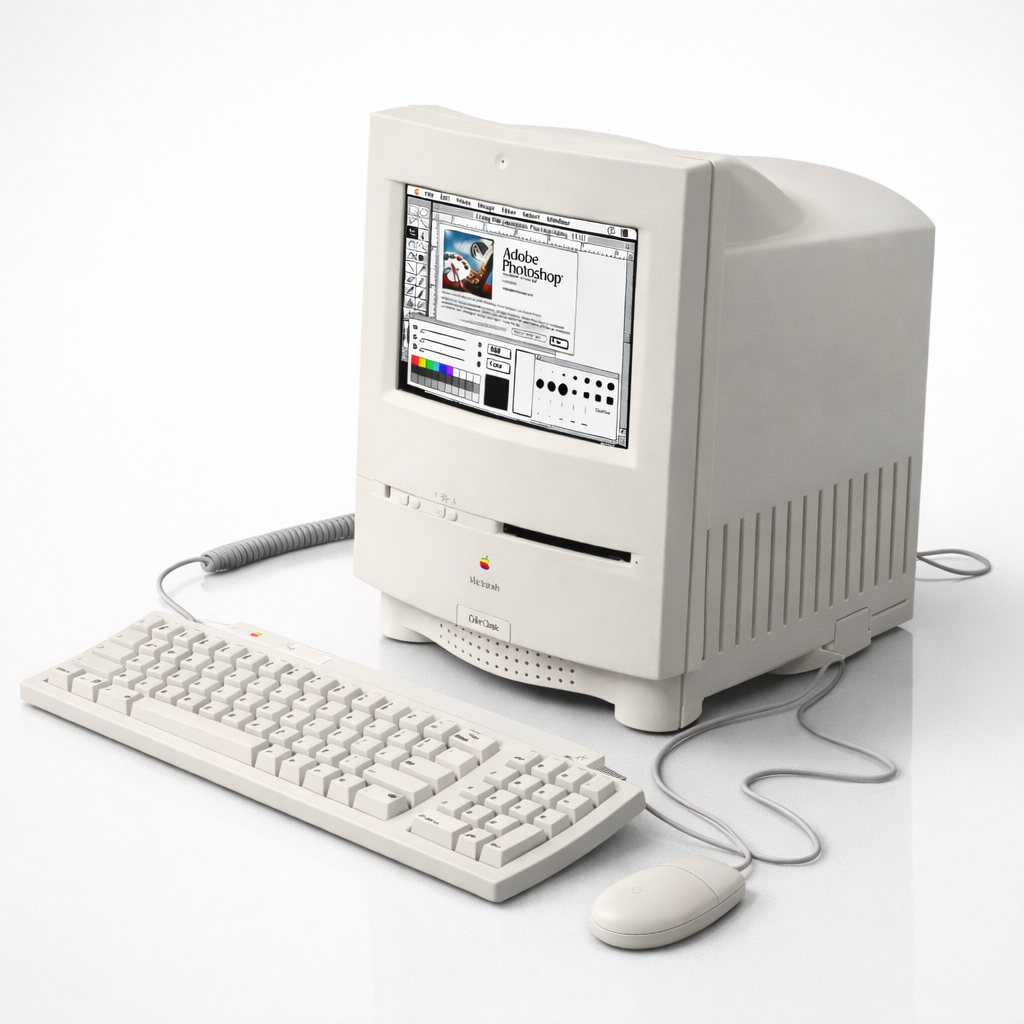
Color Classic
UncommonApple • 1993
Apple's last compact Mac sold in the U.S, and the first with color. The Color Classic had a fixed 512×384 display — smaller than every other Mac of its era. The one in my collection carries the 'Mystic' upgrade: a Performa 575 logic board, giving it a 68030 and double the original RAM.
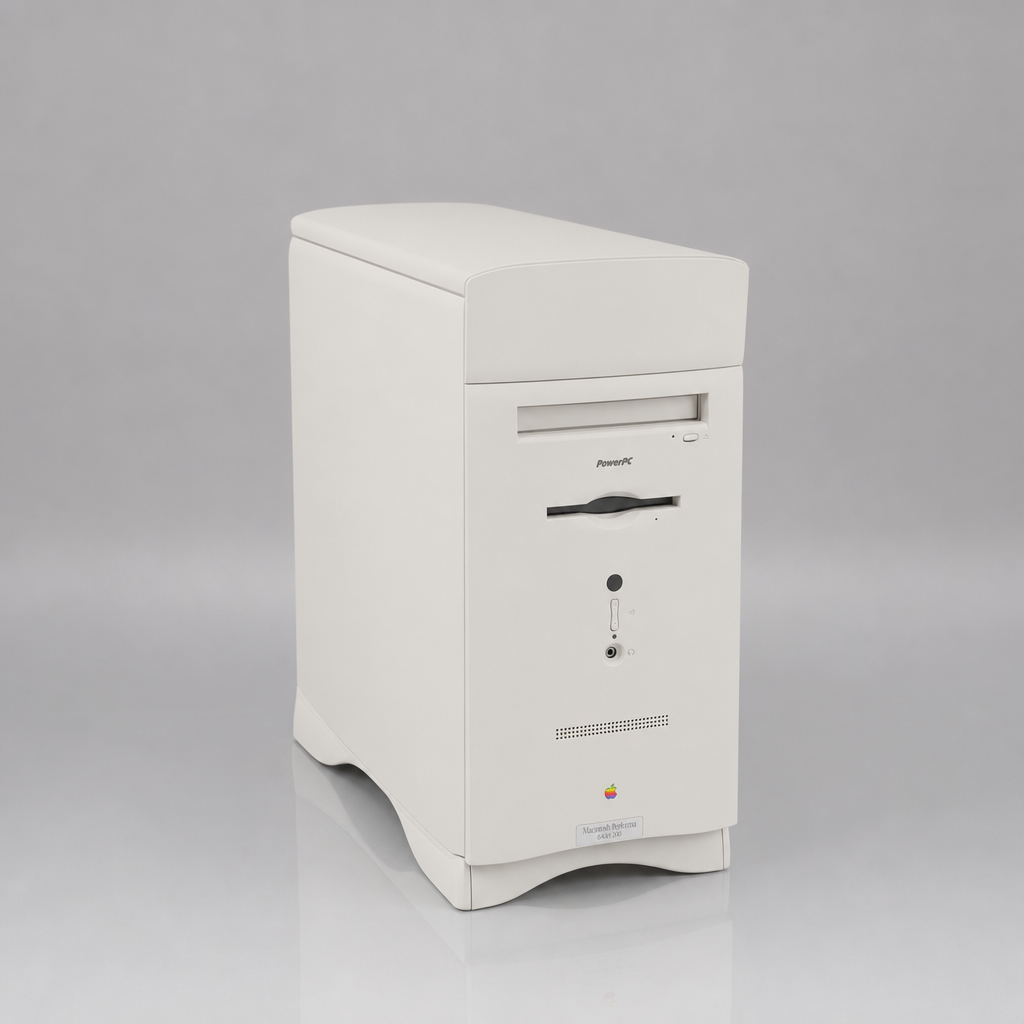
Performa 6400/200
UncommonApple • 1996
The Performa 6400 shows where Apple’s consumer strategy was heading by 1996: away from the old beige office Mac and toward a multimedia home computer meant for living rooms, family desks, and big retail bundles. With AV features, TV options, and a design meant to feel more modern than Apple’s older desktop boxes, it belongs in this story as part of the moment when the Mac became a mass-market consumer appliance as much as a computer.
Design Experiments
The Narrative
By the mid-1990s, Apple was experimenting. Not all of it worked. Some of it — the TAM, the 540c — was extraordinary.
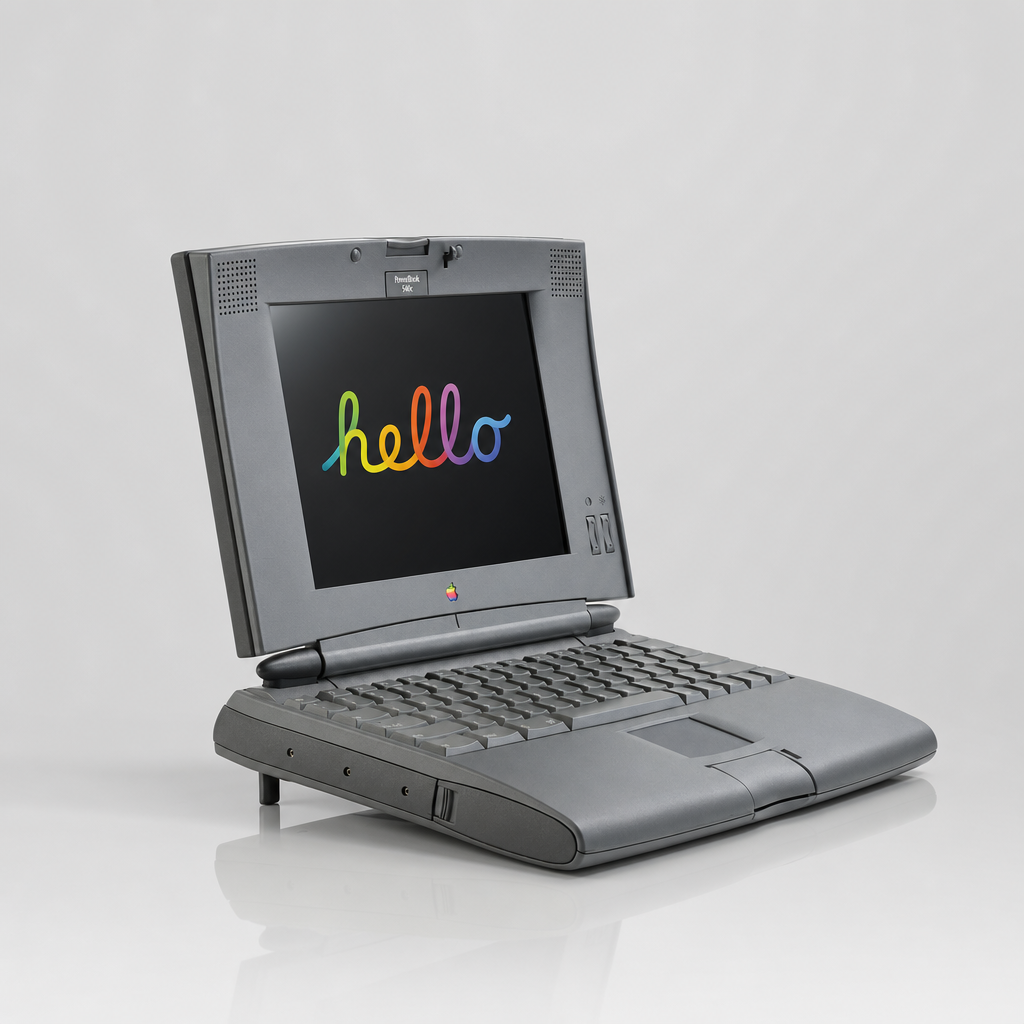
PowerBook 540c
RareApple • 1994
The PowerBook 500 series helped popularize the trackpad in mainstream notebooks. The 540c 'Blackbird' was the top of the line — active-matrix color, 33 MHz 68LC040, stereo speakers. A machine so good it embarrassed the PC competition for years.
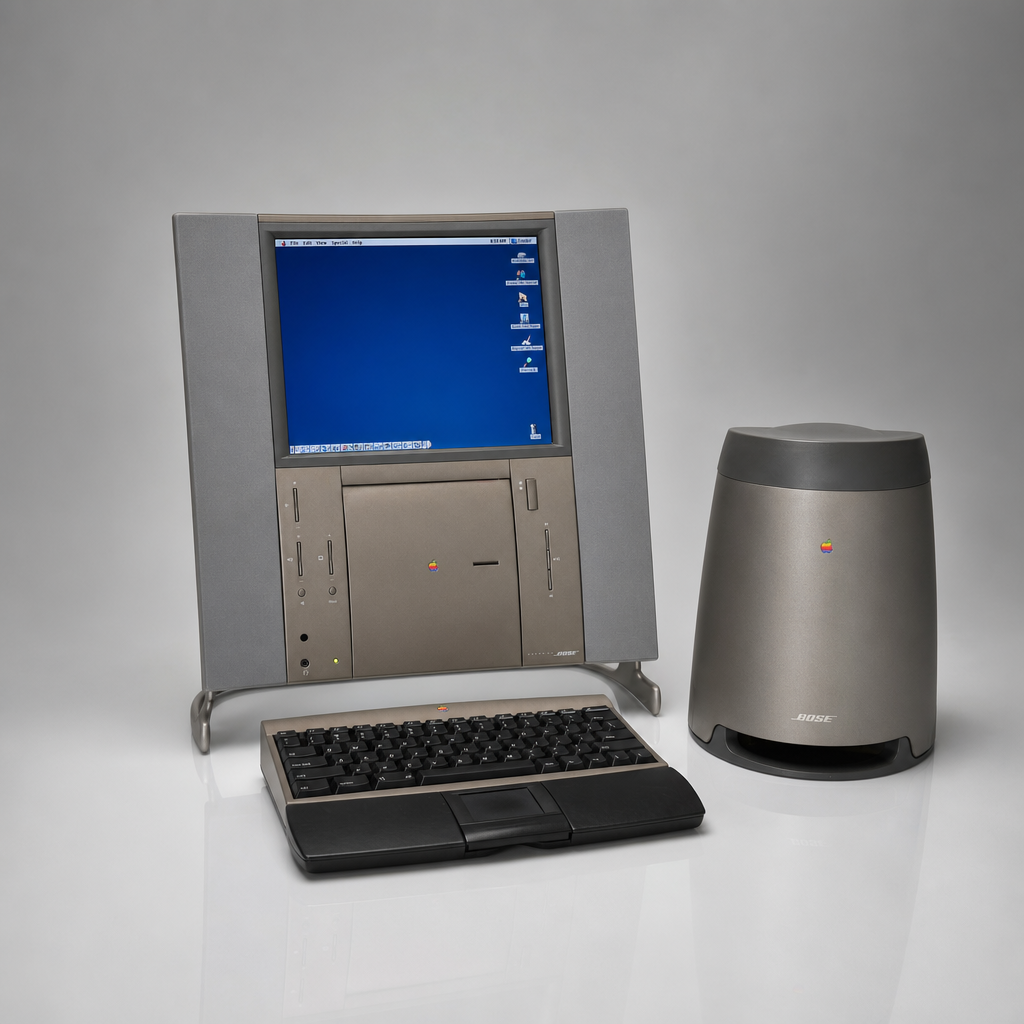
Twentieth Anniversary Mac
Very RareApple • 1997
2,000 units, each hand-delivered by a Macintosh specialist in a business suit, with a bottle of champagne. This one runs Mac OS 9, BeOS 5.0.3, and has been upgraded to a G3 400MHz. Twenty years of Apple history in a single machine.